
What Is the Difference Between TV Mounting and TV Setup and Installation?
Introduction
Buying a new television is only the beginning. Once the TV arrives, you still have to decide where it should go, how it should be mounted, how the cables should be handled, and whether the Smart TV features, sound system, and network connection are properly configured.
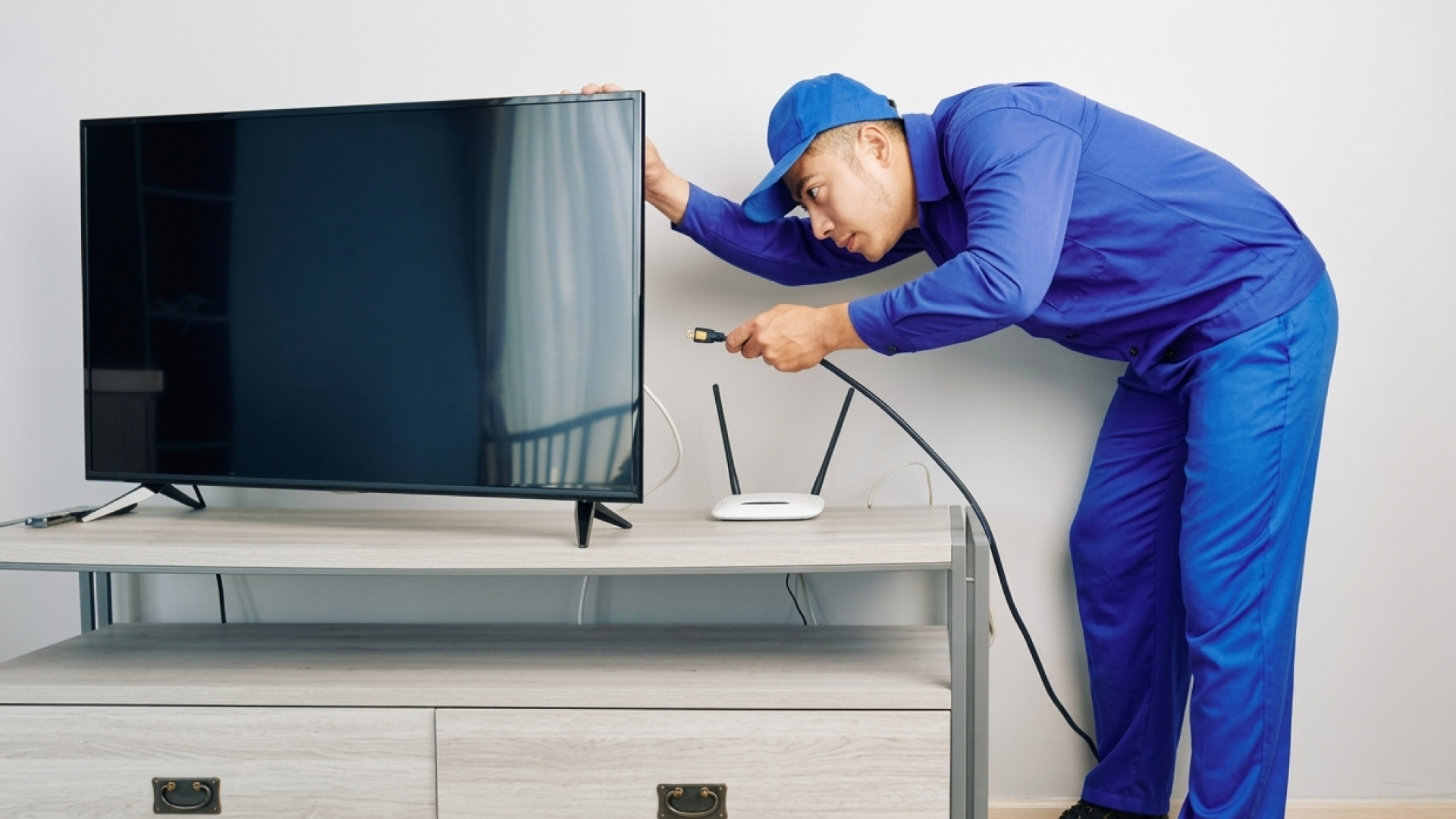
That is where the difference between TV mounting and TV setup and installation becomes important. These services are related, but they are not necessarily the same thing. TV mounting generally focuses on physically securing the television to a wall or another suitable surface. TV setup and installation can include a much broader range of tasks, from mounting the screen to connecting devices, configuring the television, setting up Wi-Fi, installing a soundbar, and organizing cables.
Understanding what each service involves can help homeowners and businesses choose the right type of professional help instead of paying for work they do not need—or overlooking important installation details.
For customers in Dallas–Fort Worth, professional AV installation can also be useful when the project involves large or heavy televisions, unusual wall materials, multiple devices, hidden cables, soundbars, or network wiring.
What Is TV Mounting?
TV mounting is the process of securely attaching a television to a wall or other appropriate mounting surface using a compatible TV wall mount.
The physical mounting process usually involves determining the correct location, identifying the wall structure, selecting appropriate mounting hardware, attaching the bracket, securing the television, and checking that the finished installation is stable and properly aligned.
Professional TV mounting may also include cable management and basic positioning of connected equipment, depending on the service requested.
What Does TV Mounting Usually Include?
A typical TV mounting service may involve:
Evaluating the wall and proposed TV location
Selecting a compatible mounting bracket
Installing the wall mount
Securing the television to the bracket
Checking the TV for level and alignment
Testing the physical installation
The exact scope depends on the wall, TV size, mount type, and installation requirements.
What TV Mounting Does Not Always Include
Mounting the television does not automatically mean that every part of a home entertainment system has been configured.
For example, a basic mounting appointment may not include:
Smart TV account configuration
Streaming app setup
Wi-Fi configuration
Game console configuration
AV receiver setup
Programming or troubleshooting connected devices
These services may be available as part of a broader TV installation package, but they should be confirmed before the appointment.
What Is TV Setup and Installation?
TV setup and installation is a broader service that can combine physical installation with electronic configuration.
Instead of focusing only on where the television is mounted, the goal is to make the complete entertainment system ready to use.
A TV installation can involve mounting the television, connecting external devices, configuring the Smart TV platform, connecting the television to the internet, setting up audio equipment, and organizing the cables.
What Can Professional TV Installation Include?
Depending on the project, TV setup and installation may include:
Mounting the television on the wall
Connecting power and signal cables
Connecting streaming devices or game consoles
Configuring the Smart TV
Connecting the TV to Wi-Fi or a wired network
Testing picture and sound
Checking connected devices
Explaining basic operation to the customer
This makes TV installation particularly useful for someone who wants the television to be ready to watch rather than simply attached to the wall.
Why Smart TV Setup Is Different From Mounting
A television can be perfectly mounted and still require additional setup.
Modern Smart TVs commonly require an internet connection, software configuration, streaming-service logins, display preferences, and connection to other entertainment devices.
For example, imagine that a homeowner purchases a new 75-inch television. The TV is securely mounted, but the streaming apps have not been configured, the soundbar is not connected, and the television has not been connected to the home's network.
The mounting itself is complete, but the entertainment system is not fully set up.
TV Mounting vs. TV Setup and Installation
The simplest distinction is this:
TV mounting is primarily about physically installing the television in a secure location. TV setup and installation can include mounting plus the configuration and connection of the television and related equipment.
The two services can overlap, but their scope is different.
Quick Comparison Summary
Focus: TV mounting focuses on physical placement; TV setup and installation covers physical and electronic setup.
Hardware: TV mounting installs the wall mount; TV setup may include wall mounting.
Security: TV mounting secures the TV; TV setup connects devices and equipment.
Alignment: TV mounting checks alignment; TV setup tests the complete system.
Cables: TV mounting may include basic cable management; TV setup may include detailed cable management.
Scope: TV mounting usually has a narrower scope; TV setup can cover several installation tasks.
Features: TV mounting does not necessarily configure Smart TV features; TV setup can include Smart TV setup.
Audio: TV mounting may not include audio installation; TV setup can include soundbar installation.
The right service depends on what you want completed.
What Does a Professional TV Mounting Process Look Like?
Professional mounting is more than putting a bracket on a wall. The installer needs to consider the television, mount, wall construction, viewing position, cable path, and surrounding environment.
Step 1: Determine the TV Location
The first step is deciding where the television should be installed.
Viewing distance, furniture placement, room layout, available wall space, power access, windows, lighting, and the location of other equipment can all affect the placement.
A location that looks attractive on an empty wall may not be practical once seating, sound equipment, and cables are considered.
Step 2: Evaluate the Wall
Different walls require different installation approaches.
Drywall, wood-stud walls, brick, concrete, and other masonry surfaces cannot simply be treated as identical mounting surfaces. The installer needs to identify suitable structural support and use hardware appropriate for the wall.
This is one reason professional assessment matters for heavier televisions and difficult wall types. You can learn more about specific surfaces in our guide on can a large TV be safely mounted on different wall types.
Step 3: Choose the Correct Mount
There are several common types of TV wall mounts. Explore detailed comparisons in our guide on fixed vs. tilting vs. full-motion TV mounts.
Fixed TV Mount: A fixed mount keeps the television close to the wall and does not normally provide significant movement after installation. It can work well when the viewing position is directly in front of the screen.
Tilting TV Mount: A tilting mount allows the screen to angle upward or downward. This can be useful when the television needs to be positioned higher than the ideal eye level or when glare needs to be managed.
Full-Motion TV Mount: A full-motion mount allows the television to extend, swivel, and tilt within the capabilities of the specific mount. It can be useful in rooms where viewers watch from different positions.
Step 4: Secure the Mount and Television
After determining the appropriate mounting location and hardware, the bracket is installed and the television is attached according to the manufacturer's mounting requirements.
The installer should verify that the television is properly supported and that the mount is securely attached.
Step 5: Check Alignment and Cables
The final physical stage involves checking that the television is level and positioned correctly.
Cable routing should also be considered. Loose cables hanging below the television can make an otherwise professional installation look unfinished.
What Does a Complete TV Setup Process Look Like?
A complete TV setup can continue after the television is physically mounted.
Connecting External Devices
A home entertainment system may include:
Streaming devices
Gaming consoles
Blu-ray players
Cable or satellite receivers
Soundbars
AV receivers
Network equipment
Each device needs to be connected to the correct input and tested.
Configuring the Smart TV
Smart TV setup may include connecting the television to Wi-Fi or Ethernet, completing initial configuration, signing into accounts, installing applications, and checking for available system updates.
Customers should handle their own account credentials rather than providing passwords unnecessarily to an installer.
Setting Up Audio
A soundbar can significantly change the viewing experience, but simply placing it below the television is not always enough.
The soundbar needs an appropriate connection to the TV and should be positioned correctly relative to the screen. Depending on the equipment, additional configuration may also be necessary.
Professional soundbar installation can be especially useful when the soundbar is being wall mounted or when cables need to be concealed.
Is Cable Management Part of TV Installation?
Cable management can be either a basic or a more extensive part of TV installation.
Basic cable management may involve organizing and securing cables so they do not hang loosely. More involved installations may require planning a concealed cable route or coordinating the TV with nearby equipment.
Why Cable Planning Should Happen Before Mounting
Cable routing is easier to plan before the television is permanently installed.
The installer should consider where power, HDMI cables, network cables, streaming devices, and audio equipment will be located.
Poor planning can result in cables that are too short, difficult-to-access connections, or visible wires that could have been routed more cleanly.
Can TV Mounting Include Network Wiring?
It can, but network wiring is a separate technical consideration from physically mounting a television.
A Smart TV can often connect through Wi-Fi, but some installations may benefit from a wired Ethernet connection depending on the home's network design and equipment.
Professional network wiring can help organize the connection between the television and the home or business network.
For a larger entertainment project, network wiring can also be considered alongside other digital services such as website infrastructure, SEO, or digital marketing strategy when the installation is part of a commercial environment. Those are separate disciplines, but reliable connectivity can be an important practical requirement for connected displays and business technology.
When Should You Choose TV Mounting?
A dedicated TV mounting service may be appropriate when your main objective is straightforward:
You already have the equipment and simply need the television securely mounted and properly aligned.
For example, a homeowner may already have a configured Smart TV and soundbar but wants to move the television from a media console to a wall.
In that situation, physical mounting and cable management may be the primary requirements.
When Should You Choose Full TV Setup and Installation?
A broader installation service makes more sense when several parts of the entertainment system need attention.
You may want full setup if:
You purchased a new Smart TV.
Multiple devices need to be connected.
The television needs network connectivity.
An old TV is being removed.
A television is being relocated.
The system needs testing after installation.
You want the equipment configured and ready to use.
This approach can save time when several installation tasks are connected to the same project.
Common Misconceptions About TV Installation
“If the TV Is Mounted, the Installation Is Finished”
Not necessarily.
Mounting completes the physical attachment of the television, but Smart TV configuration, audio installation, device connections, and network setup may still be required.
“Any TV Mount Works With Any TV”
TV mounts are not universally interchangeable.
Compatibility depends on factors such as the television's mounting pattern, size, weight, and the mount manufacturer's specifications.
“Cable Management Means Hiding Every Cable Inside the Wall”
Not always.
Cable management can include routing, securing, organizing, and concealing cables using an appropriate method. In-wall cable work may require additional planning and suitable components.
“The Highest Possible TV Position Is Best”
A higher television is not automatically more comfortable.
The viewing position, room layout, screen size, seating arrangement, and mounting location all matter. The goal is a comfortable viewing setup rather than simply placing the TV as high as possible.
Best Practices for a Safe TV Installation
A professional installation should focus on both appearance and safety.
Before installation, consider:
The television's weight and dimensions
Mount compatibility
Wall construction
Structural support
Viewing position
Cable routing
Power access
Ventilation requirements
Connected devices
Audio equipment
Network requirements
Avoid selecting a mounting location solely because it looks good in a photograph. A practical installation should also provide appropriate access to connections and equipment.
For businesses, the same principles apply to lobby displays, conference rooms, waiting areas, restaurants, offices, and other commercial environments.
TV Installation in Dallas–Fort Worth
Homes and businesses across Dallas–Fort Worth can have very different installation requirements. A straightforward bedroom TV installation may require a different approach than a large living-room display with a soundbar, gaming console, streaming equipment, and concealed cabling.
Professional AV installation services can cover projects such as TV wall mounting, Smart TV setup, soundbar installation, TV relocation and reinstallation, cable management, TV removal, and network wiring.
Experience with different television sizes, mounting configurations, wall conditions, and entertainment equipment can also help installers identify potential problems before they become installation-day surprises.
For customers who need the work completed quickly, same-day and next-day appointment options may also be available depending on scheduling.
How to Prepare for a TV Mounting or Installation Appointment
A little preparation can make the installation process more efficient.
Have These Details Ready
Before the appointment, know:
The television brand and model, if available.
Where you want the TV installed.
Whether you already have a wall mount.
Which devices should connect to the TV.
Whether you want a soundbar installed.
Whether cable concealment is required.
Whether the TV needs Wi-Fi or wired network access.
Whether an existing TV needs to be removed or relocated.
If you are unsure which mounting bracket or installation approach is appropriate, ask the installer to evaluate the equipment and wall before purchasing additional hardware.
How Professional Installation Fits Into a Complete Home Entertainment Project
TV mounting is often only one part of a larger technology project.
A homeowner might combine television installation with soundbar installation, network wiring, cable management, or relocation of an existing entertainment system.
For a business, the technology installation may sit alongside other digital priorities. Website design, SEO, local SEO, Google Ads, AI marketing, content marketing, branding, and broader digital marketing strategy can all serve different business objectives, while AV installation handles the physical technology in the space.
Keeping those functions separate makes it easier to plan each project around its actual requirements.
Conclusion
TV mounting and TV setup and installation are closely related, but they describe different levels of service.
TV mounting primarily focuses on securely attaching and positioning the television. TV setup and installation can go much further by connecting devices, configuring Smart TV features, installing audio equipment, managing cables, establishing network connections, and testing the complete entertainment system.
If you only need the television secured to a wall, mounting may be enough. If you have a new Smart TV, soundbar, streaming equipment, gaming devices, network requirements, or several cables to organize, a broader installation service may be more appropriate.
The key is to define the complete scope before the work begins. That helps ensure the wall, mount, television, cables, audio equipment, and connected devices are considered as one practical system rather than as unrelated tasks.
Frequently Asked Questions
1. What is the difference between TV mounting and TV installation?
TV mounting focuses primarily on physically securing a television to a suitable wall or mounting surface. TV installation can include mounting plus Smart TV configuration, device connections, soundbar installation, cable management, network setup, and system testing.
2. Does TV installation include cable management?
Cable management may be included in a TV installation service, but the exact scope should be confirmed beforehand. It can involve organizing visible cables, securing them neatly, routing connections, or planning a more concealed installation.
3. Can a Smart TV be set up after it has been mounted?
Yes. Smart TV configuration can generally be completed after physical mounting. The process may include connecting the TV to Wi-Fi or Ethernet, configuring settings, installing applications, and connecting compatible external devices.
4. Can a soundbar be installed with a wall-mounted TV?
Yes. A soundbar can be installed as part of a broader home entertainment installation. Depending on the equipment and room, the soundbar may be placed on furniture or mounted separately beneath the television.
5. Can a TV be mounted on a brick wall?
A TV can be mounted on suitable masonry surfaces, but the installation requires hardware and techniques appropriate for the specific wall. Brick, concrete, and other surfaces should not automatically be treated like standard drywall.
6. How much does professional TV mounting cost in Dallas, TX?
The cost varies based on factors such as TV size, wall type, mount type, installation complexity, cable management, and additional services. A simple mounting job can have different requirements from a complete entertainment system installation.
7. Can a mounted TV be relocated to another room?
Yes. TV relocation can involve safely removing the television, evaluating the new installation location, installing an appropriate mount, reconnecting equipment, and testing the system at the new location.
8. Does TV setup include connecting streaming devices and game consoles?
It can. A broader TV setup service may include connecting devices such as streaming players, gaming consoles, cable boxes, and other HDMI equipment. The exact devices included should be discussed before installation.
9. Can professional TV installation include network wiring?
Network wiring can be included when offered as part of the installation service. Depending on the home's network configuration, a television may use Wi-Fi or a wired Ethernet connection.
10. What areas around Dallas–Fort Worth are served for TV installation?
Professional TV mounting and AV installation services can be available throughout Dallas–Fort Worth and surrounding communities. Service coverage and appointment availability can vary by location, so customers should confirm their specific address when scheduling.