
Can a TV Be Mounted Above a Fireplace Safely?
Introduction
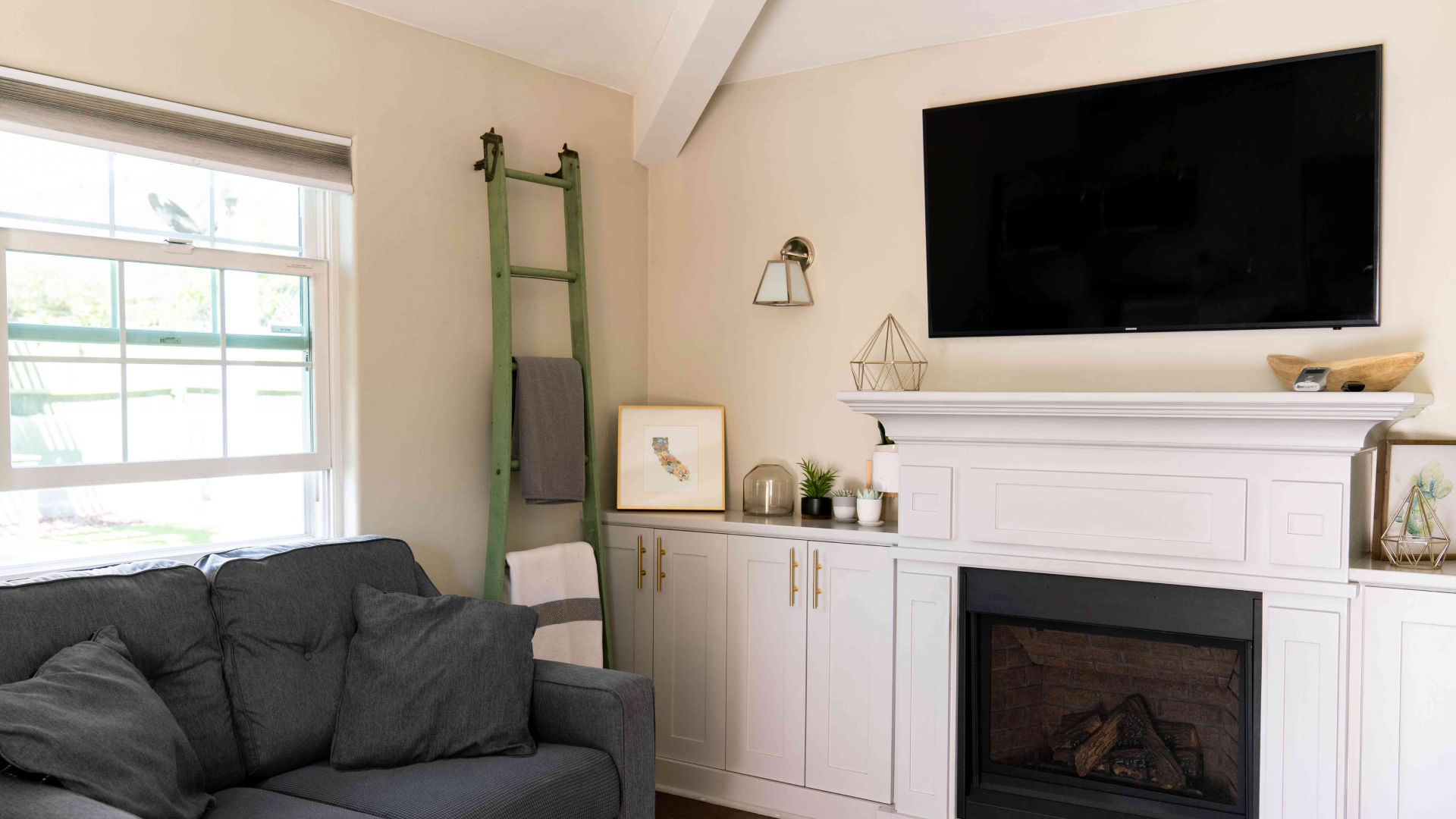
Mounting a TV above a fireplace can create an attractive focal point in a living room. It saves wall space, keeps the entertainment area organized, and can make a fireplace wall feel like a natural place for the television. However, before installing a TV above a fireplace, homeowners need to consider heat exposure, viewing height, wall construction, and the location of electrical and cable connections.
Yes, a TV can be mounted above a fireplace safely in some situations, but the installation depends on how hot the wall becomes, the fireplace type, the TV manufacturer's temperature limits, and the mounting surface. A location that looks ideal from a design perspective may not be suitable for sensitive electronic equipment.
Heat is only part of the decision. A television positioned too high can cause neck discomfort during extended viewing, while brick, stone, and masonry surfaces may require specialized mounting hardware. The right installation begins with an assessment of these conditions rather than simply choosing a spot above the mantel.
For homeowners in Dallas–Fort Worth, where living room layouts, stone fireplaces, and modern entertainment systems vary considerably, understanding these factors can help prevent avoidable damage and create a more comfortable viewing experience.
Is It Safe to Mount a TV Above a Fireplace?
Mounting a television above a fireplace is not automatically unsafe. The key question is whether the proposed location stays within the television manufacturer's operating temperature limits and provides a structurally secure mounting surface.
A fireplace can produce heat that travels upward along the wall. Depending on the design, that heat may affect the TV's casing, internal electronics, display components, and ventilation system. Even when the television does not feel extremely hot to the touch, the temperature near the wall can still exceed the manufacturer's recommendations.
A safe installation requires evaluating three main conditions:
Heat exposure: The TV must not be exposed to temperatures beyond its specified operating limits.
Structural support: The wall, anchors, bracket, and fasteners must support the television securely.
Viewing comfort: The screen should be positioned at a height and angle that allow comfortable viewing.
Electrical safety and cable routing also matter. Power cords and signal cables should be installed according to applicable electrical requirements, and cables must not be exposed to damaging heat or routed through a fireplace or chimney in an unsafe manner.
How Much Heat Is Too Much for a TV?
There is no single temperature that applies to every television or fireplace installation. Different TV models have different operating specifications, and the temperature at the wall can differ significantly from the temperature in the room.
Check the manufacturer's documentation for the permitted operating temperature range. Do not assume that a television is safe simply because it is mounted above a mantel or because the fireplace has a glass front.
Before installation, assess how warm the proposed mounting area becomes while the fireplace operates under normal conditions. A qualified installer can help evaluate the location, but temperature measurements should be interpreted alongside the manufacturer's specifications and fireplace guidance.
If the mounting area exceeds the TV's permitted temperature range, the location is unsuitable without an effective, manufacturer-approved way to keep the television within its limits. If that cannot be established reliably, choosing another wall is the safer option.
Does a Mantel Protect a TV From Fireplace Heat?
A mantel can help redirect some rising heat away from a television, but its effectiveness depends on its depth, height, material, and position relative to the firebox.
A deep mantel may deflect some of the warm air moving upward. However, it does not guarantee that the wall or the back of the television will remain within acceptable temperatures.
The fireplace manufacturer's instructions should guide any decisions about mantel dimensions and clearance. Do not rely on a mantel alone as proof that a television can be installed safely.
How Fireplace Type Affects TV Installation
The type of fireplace plays a major role in determining whether an above-fireplace installation is practical. Gas, wood-burning, and electric fireplaces produce heat differently, and their installation requirements can vary.
Gas Fireplaces
Gas fireplaces can release substantial heat through their openings, glass fronts, and surrounding surfaces. Some designs direct warm air upward, placing the wall above the fireplace at risk of elevated temperatures.
Before mounting a TV above a gas fireplace, review the manufacturer's clearance requirements and determine whether the proposed location remains within the television's temperature limits during operation.
A fireplace designed to direct heat into the room may need a different mounting arrangement from one with a carefully controlled heat-distribution system. Never assume that all gas fireplaces behave alike.
Wood-Burning Fireplaces
Wood-burning fireplaces can create particularly challenging conditions because heat output changes with the fire's intensity, the amount of wood used, and the fireplace's design.
Heat and smoke-related conditions also require careful consideration. The television must not interfere with required fireplace clearances, and the installation should not compromise the chimney, flue, or other components.
If the wall above a wood-burning fireplace becomes excessively hot, mounting a TV there may be inappropriate even if the screen fits comfortably above the mantel.
Electric Fireplaces
Electric fireplaces are often easier to accommodate because many models offer adjustable heat settings or a flame effect that can operate without the heating element.
However, electric fireplaces are not automatically heat-free. Some direct warm air upward or toward nearby surfaces, while others are designed to distribute heat away from the television area.
Review the specific fireplace's installation instructions, including required clearances above the unit. If the fireplace and TV manufacturers provide conflicting requirements, follow the more restrictive guidance and consult the relevant manufacturer or a qualified professional.
How to Check Whether Your Fireplace Wall Is Suitable
A few practical checks can help you determine whether an above-fireplace installation deserves further consideration.
Step 1: Read the TV Manufacturer's Instructions
Find the television's operating temperature range, ventilation requirements, and mounting recommendations. Confirm that the proposed location meets those conditions.
Some manufacturers may also provide guidance about installing displays near heat sources. If the documentation does not address your specific situation, contact the manufacturer rather than assuming the installation is approved.
Step 2: Review the Fireplace's Clearance Requirements
Check the fireplace manual for required clearances between the firebox, mantel, combustible materials, and surrounding surfaces.
These requirements are separate from the TV's operating limits. Meeting the fireplace's clearance requirements does not necessarily mean the television will remain cool enough to operate safely.
Step 3: Evaluate the Wall During Fireplace Operation
If the fireplace is already installed, observe the mounting area while it operates under normal conditions. A suitable temperature assessment should account for the wall and the area where the TV will sit, not just the general room temperature.
Do not touch hot surfaces to estimate their temperature, and do not operate a fireplace contrary to its instructions for testing purposes. If conditions are uncertain, ask a qualified professional to assess the location.
Step 4: Inspect the Mounting Surface
Determine whether the wall is drywall over wood framing, brick, stone, concrete, or another material.
The mounting method must match the structure. For example, a bracket installed on a framed wall requires appropriate attachment to the framing, while masonry installations need fasteners suitable for the specific material.
Decorative stone or a brick veneer should not automatically be treated as a structural mounting surface.
Step 5: Assess the Viewing Angle
Stand or sit in the usual viewing position and estimate where the center of the screen would fall.
If the screen would sit far above eye level, consider an alternative location or a suitable tilting mount. A safe installation should account for viewing comfort as well as equipment protection.
What Is the Best Height for a TV Above a Fireplace?
The ideal TV height depends on screen size, seating distance, viewing habits, and the height of the fireplace. A television above a tall fireplace can place the screen considerably higher than a conventional living room installation.
For many viewing arrangements, placing the center of the screen near seated eye level is a useful starting point. However, fireplace layouts often make this difficult, so the final position may require a compromise. For more insights, read this practical guide for comfortable viewing.
Why Viewing Height Matters
Looking upward for a long period can contribute to neck and shoulder discomfort. The effect may be more noticeable when watching movies, sports, or television shows for extended sessions.
A screen that looks attractive when viewed while standing may feel uncomfortable once everyone sits down. Evaluate the proposed location from the actual seating area rather than judging it only from across the room while standing.
Can a Tilting TV Mount Help?
A tilting mount angles the screen downward, which may improve the viewing angle when the television sits above eye level.
A tilt can make a high installation more comfortable, but it does not lower the screen or eliminate every ergonomic concern. The amount of adjustment depends on the mount, the TV's dimensions, and the distance between the television and the wall.
For particularly high installations, a professionally selected pull-down fireplace TV mount may allow the screen to move closer to eye level when in use. Before choosing one, confirm that the mount is compatible with the TV, wall construction, fireplace clearances, and available space.
Choosing the Right TV Mount for a Fireplace Wall
The mounting bracket should be selected according to the television's weight, VESA mounting pattern, wall material, desired viewing angle, and available clearance.
A mount that fits the television does not necessarily suit the wall. The fasteners and installation method must also be appropriate for the surface and underlying structure.
Fixed TV Mounts
A fixed mount holds the television close to the wall and keeps the installation visually simple.
This option can work well when the screen is positioned at a comfortable height and does not require downward adjustment. However, it offers limited flexibility and may be inconvenient if the screen sits high above the mantel.
Tilting TV Mounts
A tilting bracket allows the screen to angle downward. It can be useful when the fireplace dictates a higher mounting position.
Check the bracket's weight rating, TV compatibility, and required wall clearance. Make sure the selected tilt does not create a collision with the mantel or interfere with access to connections.
Full-Motion TV Mounts
A full-motion mount allows the screen to extend from the wall and pivot or tilt within its design limits.
This flexibility can help viewers adjust the screen toward a seating area, but a fully extended television places different forces on the mounting assembly. The wall attachment must be suitable for those forces, and the installation must leave enough room for the screen to move safely.
Full-motion mounts are not automatically the best choice for every fireplace wall. Their suitability depends on the mounting surface, clearances, and intended viewing position.
Can You Mount a TV on Brick or Stone Above a Fireplace?
Yes, a television can sometimes be mounted on a brick or stone fireplace wall, provided the surface and underlying structure can safely support the installation. Learn more about working with masonry surfaces in our guide on mounting a TV on brick, stone, or tile.
Masonry fireplaces often require a different approach from conventional framed walls. Brick, natural stone, manufactured stone veneer, and concrete each have different characteristics, so the correct anchors and drilling methods depend on the actual material.
Why Masonry Installation Requires Care
Drilling into brick or stone can damage the surface if the wrong tools, drill bits, or fastening methods are used. Some stone veneers are decorative rather than structural, which means the visible surface alone may not provide the support needed for the television.
A professional assessment should establish where the structural masonry or framing is located and which mounting hardware is appropriate. It should also account for hidden electrical wiring, gas lines, and other concealed components.
How to Manage Cables on a Fireplace Wall
Cable management can be more complicated when a television sits above a fireplace. The goal is to keep the installation neat without exposing cables to heat or compromising fire safety. For optimal cable management in Dallas, consider professional routing solutions.
Possible approaches include:
Using a properly rated surface-mounted cable channel.
Routing cables through an approved pathway that avoids the firebox, chimney, and hot areas.
Installing suitable power and signal connections in locations permitted by applicable electrical requirements.
Positioning streaming devices and other components in a ventilated area away from excessive heat.
Never run a standard TV power cord inside a wall unless the cord and installation method are specifically permitted for that use. In-wall power routing may require a listed power relocation kit or a properly installed electrical receptacle, depending on the system and local code.
Do not drill into a fireplace enclosure or chimney without confirming that the proposed route is safe and permitted.
Common Mistakes to Avoid When Mounting a TV Above a Fireplace
An installation can look correct from the front and still have problems that become apparent later. Avoiding a few common mistakes can reduce the risk of equipment damage and mounting failure.
Assuming the Wall Is Cool Enough
A wall may feel comfortable when the fireplace is off but become much hotter during operation. Assess the actual operating conditions instead of relying on appearance or touch.
Ignoring Manufacturer Instructions
The TV and fireplace manuals provide different requirements, and both must be considered. Ignoring either set of instructions can result in an unsuitable installation.
Using Inappropriate Anchors
A fastener intended for drywall may not be suitable for masonry, and a decorative veneer may not support a heavy television. Choose hardware based on the verified mounting structure and the bracket manufacturer's specifications.
Placing the Screen Too High
A television can be securely mounted and still be uncomfortable to watch. Test the proposed viewing position from the couch before drilling any holes.
Hiding Cables Without Checking the Route
Concealed cables may look cleaner, but an unsuitable route can expose them to heat or create electrical hazards. Plan cable management before installation and use an appropriate method for the wall and fireplace configuration.
Forgetting About Future Access
A television may need to be removed for repairs, cable changes, or equipment upgrades. Leave reasonable access to connections and consider how the screen will be serviced after installation.
When Should You Choose Another Wall?
Mounting a TV above a fireplace is not always the best option. In some homes, another wall provides better viewing comfort, easier cable routing, and less exposure to heat.
Consider a different location when:
The proposed mounting area exceeds the television's permitted operating temperature.
The fireplace manufacturer does not permit the intended arrangement.
The wall cannot provide secure support without extensive or unsuitable modifications.
The screen would sit uncomfortably high for your seating arrangement.
Safe power and cable routing cannot be established.
A required clearance would be compromised.
An adjacent wall can sometimes provide a better arrangement, especially when the living room has flexible seating. A low-profile media console or a standard wall-mounted setup may also keep the television closer to seated eye level.
The best placement is the one that balances safety, comfortable viewing, room layout, and practical access to the equipment.
Should You Hire a Professional to Mount a TV Above a Fireplace?
Professional installation can be particularly helpful when a project involves masonry, a high mounting position, concealed wiring, or uncertainty about heat exposure.
An experienced AV installer can evaluate the mounting surface, select a compatible bracket, check the proposed viewing angle, and plan cable management. The installer can also identify conditions that require consultation with an electrician, fireplace specialist, or the relevant manufacturer.
For Dallas–Fort Worth homeowners, TV Mounting Dallas provides professional TV wall mounting in Dallas, cable management, smart TV setup and installation, soundbar installation, and related home entertainment services. With more than 20 years of AV experience, the company focuses on secure mounting, careful alignment, and organized installations. Same-day and next-day appointments may be available, depending on scheduling.
Before arranging an above-fireplace installation, share the television model, fireplace type, wall material, and any available photographs of the area. These details can help establish whether an on-site assessment or a different mounting location is appropriate.
A professional should not promise that every fireplace wall is suitable. A responsible recommendation may be to mount the television elsewhere if heat, structure, or viewing height presents an unresolved problem.
Conclusion
A TV can be mounted above a fireplace safely when the location meets the television manufacturer's operating limits, the fireplace's clearance requirements, and the structural demands of the mounting system. The decision requires more than measuring the wall and choosing a bracket.
Start by checking heat exposure, reviewing both manufacturers' instructions, confirming the wall construction, and evaluating the viewing angle from your usual seating position. Choose mounting hardware and cable-routing methods suited to the specific installation, and involve qualified professionals when electrical work, masonry, or fireplace modifications are required.
If the wall becomes too hot, the screen sits uncomfortably high, or safe cable routing cannot be achieved, another location may be the better choice. A well-planned installation should protect the television, support comfortable viewing, and keep the entire entertainment setup organized.
Frequently Asked Questions
1. Can a TV be mounted above a fireplace safely?
Yes, provided the wall temperature remains within the TV manufacturer's operating limits, required fireplace clearances are maintained, and the mounting surface can safely support the television. Viewing height and cable routing should also be evaluated before installation.
2. How far above a fireplace should a TV be mounted?
There is no universal measurement. The correct distance depends on the fireplace manufacturer's clearance requirements, mantel dimensions, television size, and viewing position. Follow the fireplace and TV installation instructions rather than relying on a standard height alone.
3. Will heat from a fireplace damage a TV?
Excessive heat can damage electronic components or shorten the useful life of a television. The risk depends on the fireplace design, operating conditions, TV model, and temperature around the mounting location. Check the manufacturer's operating limits before proceeding.
4. Is it safe to mount a TV above a gas fireplace?
It can be safe in some installations, but gas fireplaces can heat the wall and surrounding surfaces. Review the fireplace's clearance requirements and assess the proposed TV location under normal operating conditions before choosing a mounting position.
5. Can you mount a TV above a wood-burning fireplace?
Sometimes, but wood-burning fireplaces require particular care because heat output can vary. Confirm that the wall stays within the television's permitted operating temperature and that the installation does not interfere with chimney components or required clearances.
6. Can a TV be mounted above an electric fireplace?
Yes, many electric fireplace arrangements can accommodate a television, but the specific models and installation instructions matter. Some electric fireplaces direct warm air upward, so check the required clearances and ensure the television will not exceed its operating temperature limits.
7. Does a mantel protect a TV from heat?
A mantel can redirect some rising heat, depending on its dimensions and placement. However, it does not guarantee safe temperatures behind or around a television. Measure and assess the mounting area rather than treating the mantel as complete heat protection.
8. What type of TV mount is best above a fireplace?
A tilting mount can improve viewing comfort when a television must sit higher than usual. A pull-down mount may provide more flexibility in some layouts. The best choice depends on TV compatibility, wall structure, fireplace clearance, weight capacity, and seating position.
9. Can a TV be mounted on a brick or stone fireplace?
Yes, if the mounting surface and underlying structure can safely support the television. The correct installation method depends on whether the wall consists of structural masonry, concrete, natural stone, or decorative veneer. Appropriate fasteners and a safe drilling plan are essential.
10. Should I hire a professional to mount a TV above a fireplace?
Professional installation is worth considering when the project involves masonry, concealed wiring, a high mounting position, or uncertain heat conditions. An experienced installer can assess the mounting requirements and help identify when another location or specialist evaluation is necessary.
