
Can a TV Be Mounted on Drywall Without Damaging the Wall?
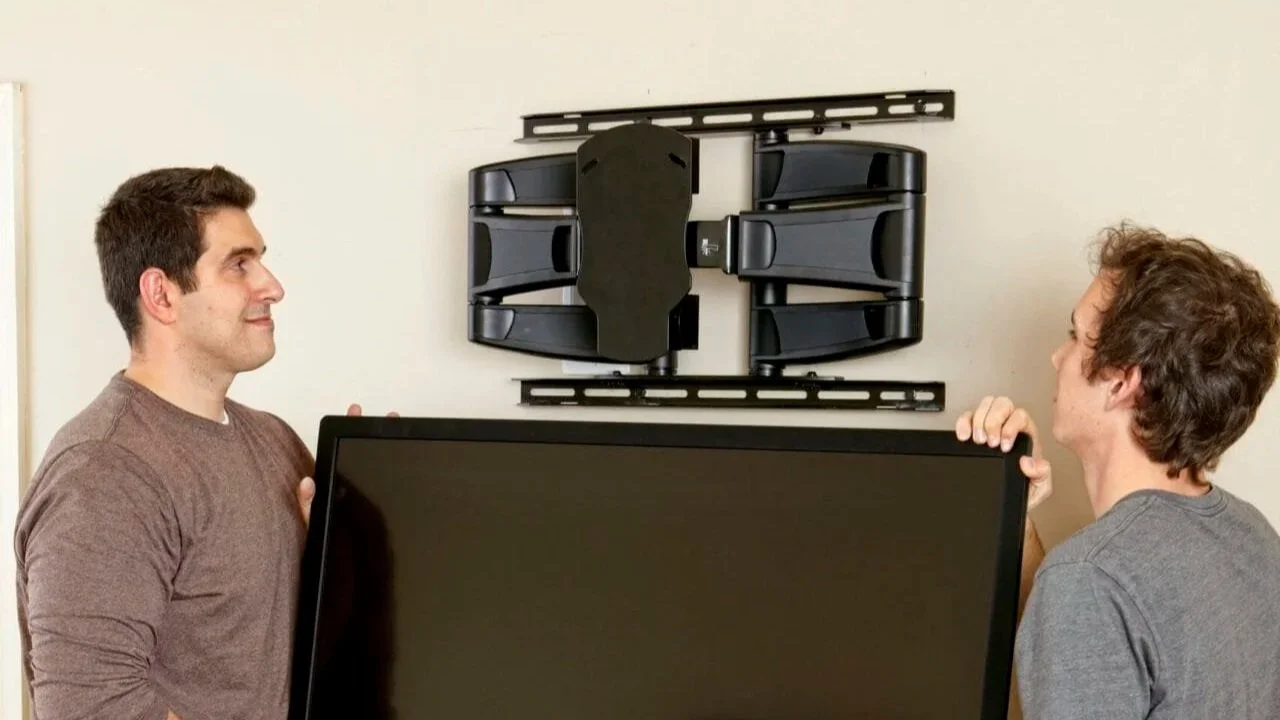
Mounting a TV on drywall is one of the most common ways to create a cleaner, more modern entertainment setup. It can also be one of the easiest ways to damage a wall if the television and mounting bracket are attached without considering the structure behind the drywall.
So, can a TV be mounted on drywall without damaging the wall? Yes, but the TV mount must be installed correctly and secured to an appropriate structural support. Drywall itself is not usually strong enough to support the weight and leverage created by a wall-mounted television. The safest approach is to locate wall studs and fasten the mounting hardware directly into them whenever the installation allows.
The size and weight of the television, type of mount, stud placement, wall construction, and location of electrical and cable connections all affect the installation. A professional TV mounting service can also account for viewing height, alignment, cable concealment, soundbar placement, and the condition of the wall before drilling.
For homeowners in the Dallas–Fort Worth area, understanding how drywall TV mounting works can help prevent unnecessary holes, loose brackets, cracked drywall, and an unstable television.
Can You Mount a TV Directly on Drywall?
A TV can physically be placed against a drywall surface, but drywall alone should not normally be treated as the primary structural support for a wall-mounted TV.
Drywall is a finishing material attached to a wall frame. It is designed to cover the underlying structure rather than carry significant loads by itself. A television also creates leverage because its weight extends away from the wall once a bracket is installed.
The safest installation method is generally to attach the TV mount to wall studs or another properly engineered structural support.
Why Drywall Alone Is Not Enough
A small picture frame and a large television place very different demands on a wall. A TV mount has to handle not only the television's static weight but also the forces created when the TV is tilted, extended, or adjusted.
An articulating or full-motion TV mount can place additional stress on the attachment points because the television moves farther away from the wall.
If mounting hardware is installed only into drywall without a suitable anchor system and without considering the load, several problems can occur:
The bracket may loosen over time.
Drywall can crack around the mounting points.
The fasteners may pull out.
The television can become uneven or unstable.
A heavy TV may eventually fall and cause significant damage.
For that reason, "the screw is in the wall" does not necessarily mean the TV is securely mounted.
How Is a TV Safely Mounted on Drywall?
A secure drywall TV installation starts by determining what is behind the wall. In most conventional homes, drywall is attached to wood or metal framing.
1. Locate the Wall Studs
The first step is identifying the position of the studs behind the drywall. A stud finder can help locate framing, but installers should also verify the location rather than relying blindly on one reading.
Stud spacing can vary depending on the home's construction, and the desired TV position does not always line up perfectly with the center of a stud.
2. Choose the Correct TV Mount
The mount should be appropriate for the television's size, weight, mounting pattern, and intended movement.
Common TV mount styles include:
Fixed mounts: Keep the TV close to the wall.
Tilting mounts: Allow the screen to angle vertically.
Full-motion mounts: Allow the TV to extend, tilt, and swivel.
Low-profile mounts: Designed to minimize the gap between the TV and wall.
A full-motion bracket can create greater leverage than a fixed mount, so the wall attachment deserves particular attention.
3. Secure the Bracket to Structural Support
Once the mounting location is established, the bracket should be secured using hardware appropriate for the wall construction and mounting system.
When studs are available in the right position, attaching the bracket directly to the framing is generally preferable to relying on drywall anchors alone.
If the preferred TV position does not align with the available studs, the installer may need to consider an appropriate alternative based on the wall structure and equipment requirements.
4. Check the Mount Before Hanging the TV
The bracket should be checked for stability and proper alignment before the television is placed on it.
This is a small step that can prevent a frustrating problem later. A mount that looks level before the TV is attached can reveal alignment issues once the weight of the television is added.
5. Attach and Level the Television
After the mounting hardware is properly secured, the television can be attached according to the manufacturer's instructions.
The final step includes checking that the TV is level, stable, and positioned at the intended viewing height.
Do You Need Drywall Anchors to Mount a TV?
Drywall anchors can be useful for many household installations, but they should not automatically be considered a substitute for structural attachment when mounting a television.
There are different types of drywall anchors, and their load ratings vary. The actual capacity also depends on installation conditions, the condition of the drywall, the direction of the load, and the type of object being supported.
When Drywall Anchors May Be Relevant
A suitable anchor system may have a role in certain TV mounting situations, particularly when used as part of an installation designed for the specific wall and load.
However, the question should not simply be, "How strong is this anchor?"
The better question is: How is the entire mounting system transferring the television's weight and movement into the wall structure?
That distinction matters because a TV mount can experience forces that are different from those created by a stationary, lightweight object.
What If the Studs Are Not in the Right Location?
This is a common concern, especially when homeowners want the TV centered over furniture or positioned in a particular part of the room.
A stud may not be located exactly where the center of the television needs to be. That does not necessarily mean the TV cannot be mounted there.
Possible Installation Approaches
Depending on the wall construction, an installer may evaluate:
Whether multiple studs can be used.
The width and design of the mounting bracket.
Whether additional structural support is available.
Whether the wall can accommodate an appropriate backing solution.
Whether the TV position can be adjusted slightly.
Whether another mounting location would provide a safer installation.
The correct solution depends on the actual wall rather than a generic recommendation.
If the wall has unusual construction, such as metal studs, plaster, masonry, or a combination of materials, the mounting strategy may also change.
Can a Heavy TV Be Mounted on Drywall?
Yes, a heavy television can be mounted on a drywall-covered wall when the mounting system is properly secured to the underlying structure.
The key point is that the drywall is typically the visible wall surface, not the component expected to carry the entire load.
TV Weight Matters
Before installation, check the television manufacturer's specifications for its weight without the stand. Then confirm that the selected TV bracket is rated appropriately.
The mount also needs to match the television's VESA mounting pattern. VESA refers to the standardized spacing of the mounting holes on the back of many flat-panel displays.
A compatible mount should match the television's mounting requirements rather than simply being selected based on screen size.
Full-Motion Mounts Require Extra Attention
A full-motion TV mount can move the television away from the wall. When the screen is extended, the resulting leverage can place more stress on the mounting points.
That is one reason structural support becomes especially important for articulating installations.
Will Mounting a TV Damage Drywall?
Proper TV mounting should minimize wall damage, but drilling is still involved in most conventional installations. The goal is controlled, necessary installation rather than promising that the wall will remain completely untouched.
Small mounting holes may remain if a TV is eventually removed. Depending on the installation, there may also be openings associated with cable routing or electrical work.
What Causes Unnecessary Wall Damage?
Most avoidable damage comes from poor planning or incorrect installation techniques.
Common examples include:
Drilling into the wrong location.
Making unnecessary pilot holes.
Using hardware that is unsuitable for the wall.
Repeatedly repositioning the bracket.
Cutting large openings for cables without planning the route.
Attempting to correct a crooked mount by drilling new holes.
Mounting into weak or damaged drywall.
Careful measurement before drilling can make a major difference.
How Can You Hide TV Cables Without Damaging the Wall?
Cable management is one of the biggest visual benefits of wall-mounted TVs. A television may be securely mounted but still look unfinished if power cords and HDMI cables hang visibly underneath it.
There are several ways to improve cable organization.
Surface Cable Management
Cable raceways and covers can conceal wires along the wall surface. They are useful when cutting into drywall is not desirable.
A properly installed raceway can create a cleaner appearance while keeping cables organized and protected.
In-Wall Cable Routing
In-wall cable management can provide a more integrated appearance, but it requires greater planning. The installer needs to consider the type of cable, wall construction, existing utilities, and applicable electrical requirements.
Power cables should not simply be routed through a wall like ordinary low-voltage signal cables. Electrical wiring and in-wall cable installations need to follow appropriate safety and code requirements.
For more complex entertainment systems, professional network wiring can also help organize Ethernet connections, streaming devices, gaming systems, and other equipment.
What About Mounting a TV Over a Fireplace?
A fireplace introduces additional considerations beyond drywall and stud placement.
The wall may have masonry, tile, stone, a framed enclosure, or another material rather than ordinary drywall. Heat exposure and viewing height can also affect whether the location is suitable.
Consider Viewing Height
A television mounted above a fireplace can end up significantly higher than a comfortable viewing position. The ideal location depends on the room, seating arrangement, screen size, and viewing angle. For detailed guidance on calculating the ideal height for your room, see our practical guide on how high a TV should be mounted.
The mounting surface also needs to be evaluated before selecting hardware.
For these reasons, a fireplace TV installation should be assessed as its own type of mounting project rather than treated exactly like a standard drywall installation.
Common Mistakes to Avoid When Mounting a TV on Drywall
Even a relatively straightforward installation can go wrong when the preparation is rushed.
Mounting Only Into Drywall
The most common misconception is that a heavy TV can be supported by ordinary drywall anchors simply because the anchor has a published weight rating.
The entire installation needs to be evaluated, including the bracket, attachment points, wall structure, TV weight, and movement.
Guessing the Stud Location
Guessing where a stud is located can result in missed framing and unnecessary holes.
Use appropriate tools and verify the mounting points before drilling.
Choosing a Mount Based Only on Screen Size
Two TVs with the same screen size can have different weights, dimensions, and VESA patterns.
Check the television's actual specifications before purchasing the bracket.
Ignoring Cables Until After Installation
Cable routing should be planned before the TV goes on the wall. Otherwise, the finished installation may require additional drilling or visible cables.
Mounting the TV Too High
A TV does not automatically look better because it is higher on the wall. Viewing comfort should be considered alongside aesthetics.
The relationship between screen height, seating position, room layout, and TV size matters.
When Should You Hire a Professional TV Mounting Service?
DIY TV mounting can be manageable for someone who understands wall construction and has the appropriate tools. Professional installation becomes particularly useful when the project involves a large or expensive television, full-motion hardware, difficult wall construction, hidden wiring, soundbar installation, or network connections.
An experienced installer can assess the wall before drilling and coordinate the different parts of the entertainment setup.
What Professional TV Installation Can Include
A comprehensive home entertainment installation may include:
Equipment connection
Screen leveling and positioning
The goal is not simply to put a television on the wall. The installation should leave the equipment secure, properly aligned, accessible, and practical to use.
For homeowners in Dallas–Fort Worth, a professional service such as TV Mounting Dallas provides residential and commercial TV installation with an emphasis on safe mounting, accurate alignment, cable concealment, and clean results. With more than 20 years of AV experience, the company handles projects ranging from straightforward TV mounting to broader home entertainment setups, with same-day and next-day appointments available.
A Simple Checklist Before Mounting Your TV
Before drilling any holes, work through this checklist:
Check the TV weight.
Confirm the VESA mounting pattern.
Choose a mount designed for the television.
Identify the wall studs or appropriate structural support.
Measure the desired viewing height.
Check for electrical wiring, plumbing, and other utilities.
Plan HDMI, Ethernet, soundbar, and other cable routes.
Confirm that the mount will sit level.
Consider whether the wall material requires specialized hardware.
Test the mounting system before finalizing the installation.
This preparation can prevent many of the problems associated with rushed TV mounting.
Drywall TV Mounting: What Homeowners Should Remember
The short answer is simple: yes, you can mount a TV on a drywall-covered wall without causing unnecessary damage, but the TV should not normally depend on the drywall alone for structural support.
The safest installation starts with understanding what is behind the drywall. From there, the correct mount, appropriate hardware, TV weight, VESA pattern, viewing height, and cable plan all need to work together.
A good installation should also account for what happens after the TV is mounted. Can the cables be accessed? Is the soundbar positioned correctly? Is the screen level? Can the TV be adjusted without putting excessive stress on the wall?
These details separate a quick installation from a properly planned home entertainment setup.
Conclusion
Mounting a TV on drywall does not have to mean damaging the wall or creating an unstable installation. The key is recognizing that drywall is usually the finished surface over a structural framework, and the mounting system needs to be designed around that framework.
Locate the studs or other appropriate structural support, select hardware that matches the TV and wall, plan the cable route before drilling, and position the screen for comfortable viewing. Special situations such as full-motion mounts, fireplaces, unusual wall construction, large televisions, and in-wall wiring deserve additional attention.
If you are unsure about what is behind your drywall or how to safely support your television, having the wall evaluated before installation can save you from unnecessary holes, repairs, and mounting problems. For answers to other common installation questions, feel free to review our FAQ page or explore more expert tips on our blog.
Frequently Asked Questions
Can a TV be mounted directly onto drywall?
A TV should not normally be supported by drywall alone. The mounting system should be secured to suitable structural support, such as wall studs, or use an appropriately engineered installation method for the specific wall and load.
Can I mount a 65-inch TV on drywall?
Yes. A 65-inch television can be mounted on a drywall-covered wall when the bracket is properly matched to the TV and securely attached to the underlying wall structure. Screen size alone does not determine whether the installation is safe.
Do TV mounts have to go into studs?
Stud attachment is generally preferred for many TV installations because studs provide structural support behind the drywall. If the desired mounting location does not align with studs, the wall and mounting system should be evaluated to determine an appropriate alternative.
Will mounting a TV leave holes in the drywall?
Most TV mounting installations require some drilling, so small holes may remain if the television is removed later. Careful measurement and planning can minimize unnecessary holes and help prevent cracks or larger areas of drywall damage.
Can drywall anchors hold a wall-mounted TV?
Some drywall anchors are designed for substantial loads, but an anchor's advertised capacity does not automatically make it appropriate for every TV installation. The TV weight, mount design, anchor type, wall condition, and forces created by the mount all need to be considered.
Is a full-motion TV mount safe on drywall?
A full-motion mount can be safely installed on a drywall-covered wall when it is attached using a suitable method for the wall structure and television. Because the TV extends away from the wall, the mounting points can experience additional leverage.
How high should a TV be mounted?
There is no single height that works for every room. TV height should take into account the screen size, seating position, viewing angle, furniture, and whether the mount tilts or moves. The center of the screen is often a useful starting point for planning.
Can I hide TV wires inside drywall?
Low-voltage cables can sometimes be routed inside a wall using appropriate methods and components. Electrical power wiring has separate safety and code requirements. In-wall cable routing should be planned carefully before cutting into drywall.
Can a TV be mounted above a fireplace?
A TV can sometimes be mounted above a fireplace, but the installation requires additional evaluation. The mounting surface, heat exposure, viewing height, wall construction, and available hardware should all be considered before choosing that location.
What should I check before mounting a TV?
Check the TV's weight and VESA pattern, identify the wall structure, select a compatible mount, plan the viewing height, inspect the area for utilities, and decide how cables will be routed. Planning these details before drilling helps create a safer and cleaner installation.