
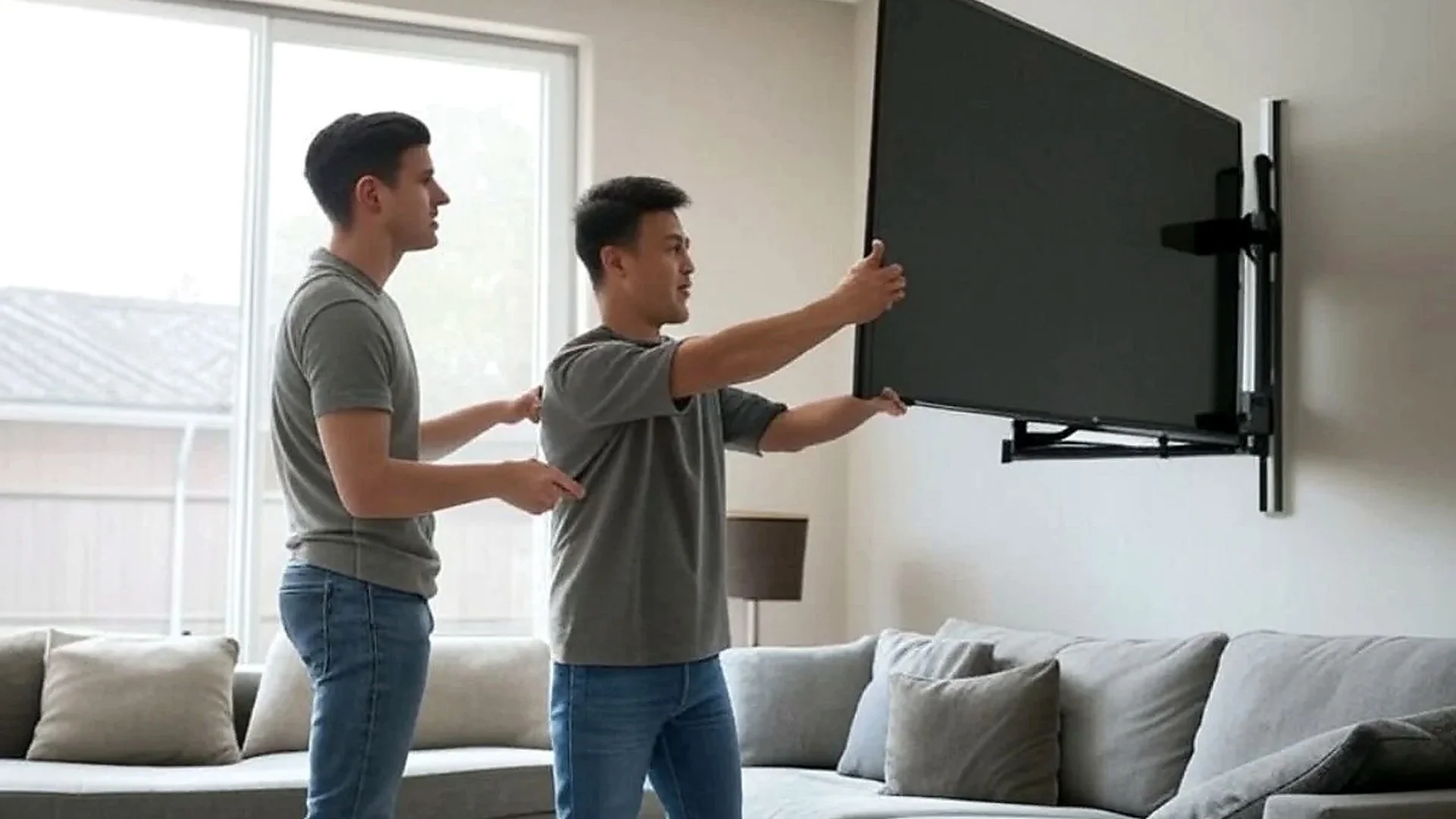
Introduction
A wall-mounted TV does not have to stay in the same place forever. You might be moving to a new home, redesigning your living room, changing the layout of your office, or simply realizing that your current viewing position is not as comfortable as you expected. In many cases, a mounted television can be safely removed and reinstalled in another location without purchasing a new TV or mounting system.
However, relocating a TV involves more than taking it off the wall and attaching it somewhere else. The mounting bracket, wall structure, cable connections, television weight, and condition of the original installation all affect how easily the equipment can be moved. A poorly handled removal can damage the screen, loosen mounting hardware, or leave the television improperly supported at its new location.
Understanding the relocation process helps you plan the move, avoid unnecessary expenses, and protect your entertainment equipment. This guide explains when a mounted TV can be reused, how professionals remove and reinstall televisions, what happens to the old mounting holes, and when professional TV relocation is the better choice.
Can a Mounted TV Be Removed and Reinstalled?
Yes, a wall-mounted TV can usually be removed and reinstalled in another location, provided the television, mounting bracket, and new wall are suitable for the installation. In many situations, the existing mount can be reused, although its compatibility and condition should be checked before installation begins.
The process typically involves disconnecting the cables, releasing the television from its bracket, removing or retaining the mounting hardware as appropriate, preparing the new wall, and securing the TV in its new position.
A few factors determine whether the relocation will be straightforward:
Mounting bracket compatibility: The bracket must support the television's weight, dimensions, and VESA mounting pattern.
Wall construction: The new location must provide suitable structural support for the mount.
TV condition: The screen, mounting points, and housing should be free from damage that could complicate handling.
Cable access: Power, HDMI, Ethernet, and other connections must reach the new position safely.
Viewing position: The new height and angle should provide comfortable viewing without creating unnecessary glare.
For example, moving a 55-inch TV from one side of a living room to another may require only a compatible bracket, appropriate mounting hardware, and some cable adjustments. Moving that same television from a standard drywall installation to a brick fireplace wall may require a different mounting approach.
The key is to evaluate the destination before removing the television.
Why Would You Need to Relocate a Mounted TV?
TV relocation is common during home improvements, furniture changes, office renovations, and residential moves. A television that worked well in one arrangement may no longer suit the room after other changes.
Moving to a New Home
If you are moving, you may want to take your existing TV and mounting bracket with you. Reinstalling the television in your new home can help you maintain your preferred entertainment setup without replacing equipment that still works.
However, the new home's wall construction and layout may differ from those at your previous address. A mount that was installed over wooden studs might not be appropriate for a masonry wall without suitable hardware and a compatible installation method.
Changing Your Living Room Layout
Sometimes, the reason is much simpler. You may purchase a larger sofa, move your entertainment center, or decide that the television would look better on another wall.
Relocating the TV can improve sightlines, reduce reflections from windows, and create more room for furniture. It also provides an opportunity to reorganize cables and connected devices.
Remodeling a Room
A renovation may involve repainting, replacing drywall, installing new cabinets, or updating electrical outlets. Removing the television before construction begins protects it from dust, accidental impacts, and other worksite hazards.
Once the renovation is complete, the TV can be reinstalled in the same position or moved to a more suitable wall.
Moving a TV in a Business
Commercial spaces frequently change as offices, waiting rooms, restaurants, conference rooms, and retail displays are redesigned. A wall-mounted television may need to move to accommodate new furniture, improve visibility, or support a different room configuration.
Commercial relocation may also involve longer cable runs, network connections, multiple displays, or integration with conference room equipment.
How Does Professional TV Removal and Reinstallation Work?
Professional TV removal follows a careful sequence. The exact procedure depends on the mount, screen size, wall construction, and destination, but the following steps explain what typically happens.
Step 1: Inspect the Existing Installation
Before removing the television, the installer examines the mounting bracket, attachment points, visible hardware, and cable connections.
This inspection can reveal loose screws, damaged brackets, unusual mounting arrangements, or signs that the television is not properly supported. Identifying these issues before removal helps prevent problems during the relocation.
The installer also checks whether the existing mount is suitable for reuse or whether replacement hardware is needed.
Step 2: Disconnect the Television and Accessories
The TV must be disconnected from its power source before removal. HDMI cables, Ethernet connections, optical audio cables, antenna connections, and other accessories should be identified and disconnected carefully.
Labeling cables can make reconnection easier, particularly when the television is connected to a soundbar, gaming console, streaming device, receiver, or home network.
Never pull a television away from the wall while cables remain attached. Doing so can damage ports, connectors, or wiring concealed behind the screen.
Step 3: Remove the TV From the Mount
Many wall mounts use locking tabs, safety screws, rails, or other mechanisms that hold the television in place. The correct release method depends on the mounting system.
A second person is often necessary to support the screen while the locking mechanism is released. Larger televisions can be awkward to handle, even when their weight appears manageable.
The screen should be held by suitable structural areas rather than squeezed or pressed against the display panel. After removal, it should be placed on a stable, appropriately padded surface or packed for transport.
Step 4: Evaluate the Existing Bracket
Once the TV is off the wall, the installer can examine the bracket more closely.
A fixed mount may be relatively simple to reuse if it remains compatible and undamaged. A tilting or full-motion TV mount requires closer inspection of its joints, movement mechanisms, locking hardware, and wall attachment points.
The installer should also confirm that the bracket's specifications match the television. If the new TV is larger or heavier than the previous one, the original mount may no longer be appropriate.
Step 5: Prepare the New Wall
The destination wall must be assessed before drilling new holes. The installer determines the wall type, identifies appropriate structural attachment points, and considers the television's size and intended position.
For drywall installations, mounting into suitable framing is generally preferred. Masonry installations require anchors or fasteners designed for the specific substrate and load.
The installer should also consider nearby outlets, possible wiring or plumbing inside the wall, cable management, furniture placement, and access for future maintenance.
Step 6: Install the Bracket and Mount the TV
After confirming the location and hardware, the mounting bracket is secured using the appropriate installation method.
The television is then attached according to the mount manufacturer's instructions. The installer checks that the locking mechanisms are engaged, the bracket is secure, and the screen sits level.
With an articulating mount, movement should also be tested carefully to confirm that the television can extend, tilt, or swivel without excessive resistance or cable strain.
Step 7: Reconnect and Test Everything
The final step is reconnecting the television and testing its operation.
Depending on the setup, this may include checking the power supply, HDMI inputs, soundbar, streaming devices, Ethernet connection, Wi-Fi access, and remote control.
Testing before the job is considered complete helps identify problems such as an unrecognized input, missing audio, disconnected network wiring, or a cable that does not reach the new location.
Can You Reuse the Same TV Wall Mount?
In many cases, yes. Reusing an existing TV wall mounting system can reduce the amount of replacement equipment needed, but compatibility must be verified rather than assumed.
When Reusing the Mount Makes Sense
The existing mount may be suitable if:
It supports the television's weight and dimensions.
Its VESA mounting pattern matches the TV.
The bracket is in good condition and operates correctly.
The mounting hardware is appropriate for the new wall.
The new position allows adequate clearance and cable access.
VESA refers to a standardized pattern of mounting holes on the back of many televisions. Matching this pattern is one part of confirming compatibility, but it does not establish that a bracket is suitable in every other respect.
When You May Need a Different Mount
A replacement may be necessary if the new television is heavier, uses a different mounting pattern, or requires a different range of motion.
The wall itself can also determine whether the old mounting system is suitable. A bracket originally installed on wooden studs may need a different attachment method for a concrete or brick wall.
Never reuse damaged hardware simply to save money. A bent bracket, worn locking mechanism, or questionable wall attachment should be evaluated before the television is installed again.
What Happens to the Old Mounting Holes?
Removing a wall-mounted television often leaves visible holes from the original bracket. These holes can usually be repaired, but the appropriate method depends on their size, the wall material, and the finish.
Small Holes in Drywall
Small screw holes may be filled with an appropriate wall repair compound. After the material dries, the area can be sanded and painted to blend with the surrounding surface.
Larger Holes or Damaged Drywall
Larger openings may require a patch rather than simple filler. If the previous installation damaged the drywall or left a weakened area, the repair should restore the surface before it is used for another installation.
Brick and Concrete Walls
Masonry holes require a repair material suitable for the surface. Matching the existing texture or brick color may take more effort than repairing painted drywall.
It is also worth remembering that moving a mount to another location does not automatically make the original holes disappear. Wall patching and painting may be separate from TV removal and installation services, so confirm the scope of work before scheduling.
How Do You Choose the Best New Location for Your TV?
Relocating a television gives you a chance to correct problems with the original setup. A few measurements and practical checks can make the new position more comfortable and functional.
Consider Viewing Height
The screen should be positioned for comfortable viewing from the main seating area. The ideal height depends on screen size, seating height, viewing distance, and whether the room is used for casual watching or presentations.
Mounting a television too high can cause neck discomfort during extended viewing. Before drilling, sit in the normal viewing position and evaluate where the screen's center and lower edge will fall.
A fireplace installation may require special care because of mantel height and heat exposure. Check the television and fireplace manufacturers' recommendations before choosing that location.
Check Viewing Distance and Glare
Measure the distance between the planned screen position and the main seating area. Also consider windows, ceiling lights, and reflective surfaces that could create glare.
A position that looks attractive when the room is empty may become uncomfortable once sunlight reaches the screen or furniture is placed in its usual arrangement.
Plan for Power and Cable Access
The new location should provide safe access to electrical power and enough room for the required connections.
HDMI, Ethernet, and audio cables must be long enough without being stretched or pinched. If you want concealed wiring, determine how the cables will be routed before the mount is installed.
In-wall cable installation must follow applicable electrical and building requirements. Ordinary extension cords should not simply be concealed inside a wall.
Allow Room for Other Equipment
If the TV connects to a soundbar, receiver, gaming console, streaming device, or network wiring, account for those components during planning.
A full-motion mount also needs enough clearance to extend and swivel without striking nearby cabinets or pulling cables from their ports.
What If the New Location Has a Different Wall Type?
A change in wall material does not automatically prevent TV relocation, but it can change the installation requirements.
Drywall With Wood Studs
Many residential TV installations use brackets secured to suitable wood framing behind drywall. The installer must locate the framing and use fasteners appropriate for the mount and installation.
Drywall alone should not be assumed to provide adequate support for a standard TV bracket.
Brick and Concrete
Masonry walls require specialized fasteners and an installation method appropriate for the material. Solid brick, hollow masonry, and concrete are not interchangeable, so the wall must be assessed before drilling.
The location of mortar joints, the condition of the masonry, and the bracket's attachment requirements can affect the installation method.
Metal Stud Walls
Metal stud walls may require specialized mounting solutions designed for the wall structure and television load. The correct approach depends on the stud system, framing details, bracket specifications, and any applicable building requirements.
A professional assessment helps determine whether the existing mount can be adapted or whether a different mounting arrangement is needed.
Can You Move a TV Yourself or Should You Hire a Professional?
The answer depends on the television's size, the mounting system, the wall type, and your experience with mounting hardware.
When DIY Relocation May Be Reasonable
A person with the necessary tools and experience may be able to relocate a smaller television if the mount is straightforward, the wall is suitable, and the installation instructions are clear.
Even then, the television should be handled carefully, and a helper should be available when needed. The new mounting points must be properly supported, and the finished installation should be checked before the TV is used.
When Professional TV Relocation Is the Better Choice
Professional help is worth considering when the television is large or expensive, the mount is difficult to release, the wall material is unfamiliar, or the original installation appears questionable.
Professional TV mounting services can also be useful when the move involves concealed cables, soundbar installation, network wiring, a fireplace wall, or a commercial display.
An experienced installer can assess the existing equipment, identify suitable attachment points, and reconnect the system after the move. This can reduce the risk of screen damage, incorrect mounting, and avoidable installation problems.
How Much Does It Cost to Remove and Reinstall a TV?
The cost of TV removal and reinstallation varies according to the work involved. There is no single price that applies to every television or relocation.
Common cost factors include:
Screen size and weight: Larger televisions may require additional handling assistance.
Mount type: Fixed brackets, tilting mounts, and full-motion mounts can involve different levels of work.
Wall construction: Masonry, metal framing, and other specialized installations may require additional materials or labor.
Cable management: Concealing wires or extending connections can increase the scope of the job.
Mounting hardware: A new bracket or replacement fasteners may be necessary.
Wall repairs: Patching old holes or repairing damaged surfaces may be priced separately.
Additional equipment: Reconnecting a soundbar, receiver, or network devices can add work.
Before booking a TV relocation service in Dallas–Fort Worth, ask whether the estimate includes removing the television, reinstalling it at the new location, reusing the existing bracket, reconnecting accessories, and concealing cables.
It is also worth asking whether the service covers both locations if you are moving between homes. Clear pricing helps you compare estimates based on the same scope of work.
Common Mistakes to Avoid During TV Relocation
A successful relocation depends on careful planning as much as correct installation. Several avoidable mistakes can create problems after the television has been moved.
Assuming the Old Bracket Will Fit
A bracket that worked perfectly with the previous setup may not suit a different television or wall. Check the weight rating, VESA pattern, hardware condition, and attachment requirements first.
Choosing the New Height Too Quickly
Once holes have been drilled, changing the position can mean additional repairs. Measure carefully and evaluate the screen from the main seating position before fixing the bracket.
Pulling on Connected Cables
Cables can become trapped behind the television or remain attached to devices during removal. Disconnect everything before releasing the mount, and inspect the ports if a cable appears damaged.
Ignoring Cable Length
A new position may place the television farther from its streaming device, receiver, or network connection. Measure the cable route before installation and select suitable cables rather than stretching existing ones.
Reinstalling Into Weak or Damaged Mounting Points
Old holes are not automatically suitable for a new installation. The installer must confirm that the new attachment points provide appropriate support instead of relying on weakened material.
Skipping the Final Safety Check
After installation, verify that the television is locked onto the bracket, the mount is secure, and the screen is level. Test connected devices and confirm that moving the TV does not pull or pinch cables.
Conclusion
A mounted TV can usually be removed and reinstalled in another location, and reusing the existing bracket may be possible when the equipment remains compatible and the new wall provides proper support. The most important considerations are safe handling, suitable mounting hardware, correct attachment points, cable access, and a comfortable viewing position.
Before relocating your television, inspect the existing installation, plan the destination, and determine whether the mount and wiring can be reused. Take time to account for wall repairs and any additional audio or network equipment that needs to move with the screen.
For larger televisions, unfamiliar wall types, concealed wiring, or complicated mounting systems, professional TV removal and reinstallation can help protect your equipment and achieve a secure result. A properly planned relocation lets you enjoy your existing television in a new space without overlooking the details that make an installation safe and practical.
Frequently Asked Questions
1. Can a wall-mounted TV be removed without damaging it?
Yes. A wall-mounted TV can usually be removed safely when the correct release mechanism is used, cables are disconnected, and the screen is supported during removal. Larger televisions may require two people or professional assistance.
2. Can I use the same TV mount in another room?
Often, yes. The existing mount can be reused if it is undamaged, compatible with the television's mounting pattern and weight, and suitable for the new wall. The installer should verify the mounting hardware and attachment points before reinstalling the TV.
3. How much does it cost to remove and reinstall a TV in Dallas, TX?
The price depends on screen size, mount type, wall construction, cable management, and whether replacement hardware or wall repairs are needed. Request an estimate that specifies removal, reinstallation, reconnection, and any additional work.
4. Can a TV be moved from drywall to a brick wall?
Yes, in many cases. The new installation must use a mounting method and fasteners appropriate for the specific masonry surface and television load. The existing bracket may be reusable, but its suitability and the new wall's condition must be assessed.
5. Do I need to buy a new wall mount when relocating my TV?
Not necessarily. A compatible mount in good condition can often be reused. A replacement may be required if the television's dimensions, weight, mounting pattern, or the new wall's installation requirements differ from the original setup.
6. Can a mounted TV be relocated without leaving holes in the wall?
Removing a wall-mounted television and bracket usually leaves some mounting holes. These can often be patched and painted, but the repair method depends on the wall material and the size of the openings. Repairs may be separate from the mounting service.
7. Can I move a TV and soundbar to another wall?
Yes. A television and soundbar can generally be relocated together if the new position accommodates both devices and their mounting hardware. Check audio connections, cable lengths, power access, and soundbar alignment before reinstalling the equipment.
8. Can a full-motion TV mount be reused after moving?
A full-motion mount may be reused if its structure, joints, locking mechanisms, and hardware remain in good condition. Its weight rating and compatibility must also match the television, and the new wall must support the installation properly.
9. How long does TV removal and reinstallation take?
The time required depends on screen size, mounting complexity, wall construction, cable routing, and the number of connected devices. A straightforward relocation may take less time than a job involving masonry, concealed wiring, new hardware, or wall repairs.
10. Should I hire a professional to relocate a large wall-mounted TV?
Professional assistance is advisable when a television is large, heavy, expensive, or difficult to release from its mount. An experienced installer can evaluate the wall, mounting hardware, and cable connections to help ensure the television is securely reinstalled.
