
What Is Included in Professional TV Wall Mounting?
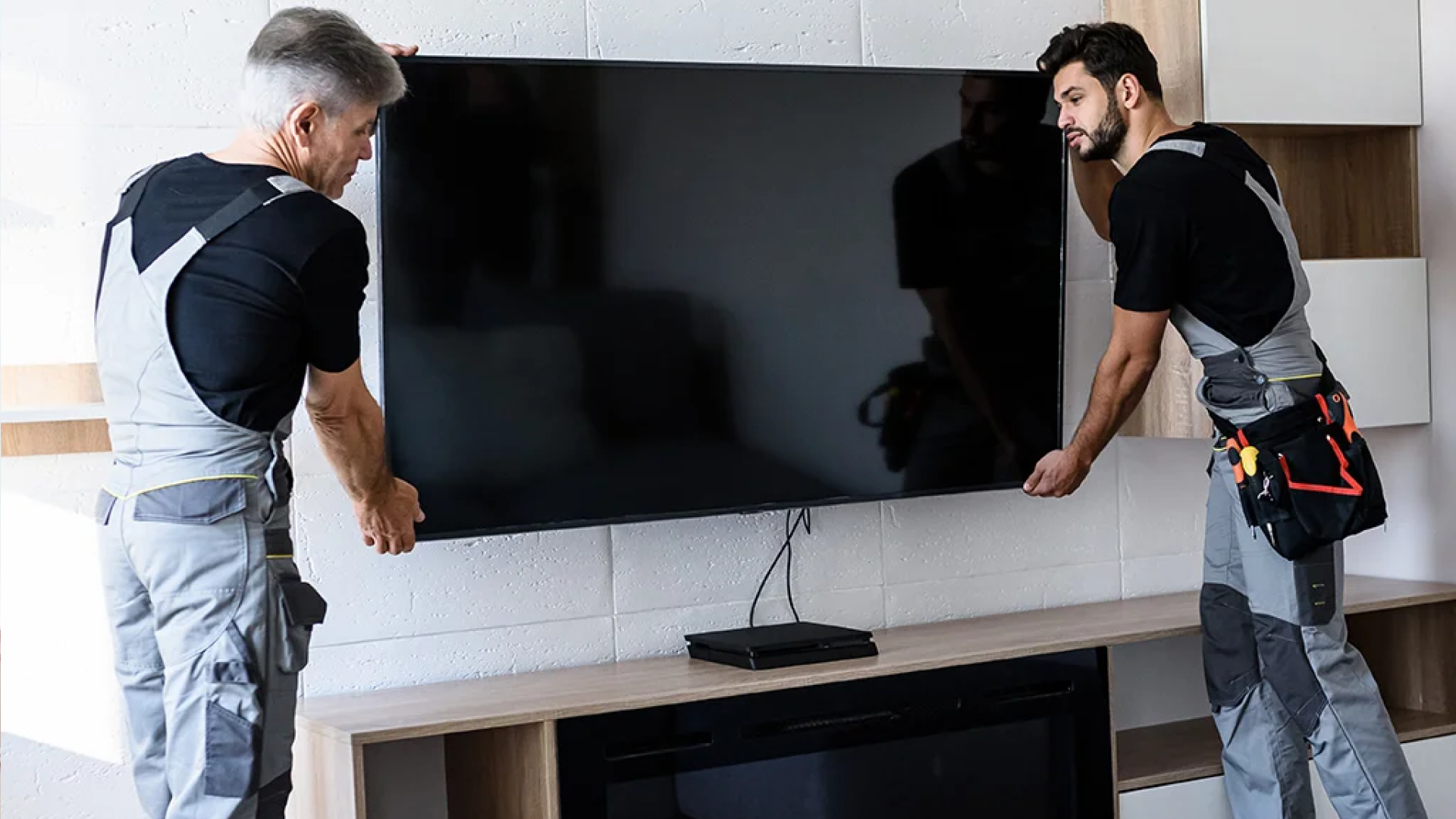
Mounting a TV on the wall can look like a simple weekend project. In practice, a clean and secure installation involves much more than attaching a bracket and lifting the television into place. The wall type, TV size, mounting hardware, viewing height, cable routing, power access, and final alignment all need to be considered before the installation is complete.
Professional TV wall mounting typically includes an assessment of the installation area, selection and installation of an appropriate wall mount, secure attachment to the wall, careful TV placement, leveling, cable management, and a final safety and functionality check. Depending on the service, it may also include Smart TV setup, soundbar installation, network wiring, TV removal, or relocation.
For homeowners and businesses in Dallas–Fort Worth, professional installation can also make a major difference in the finished appearance of a room. A properly mounted television should feel like part of the space rather than an appliance hanging from the wall. You can also explore our about page to learn more about our professional team.
What Does Professional TV Wall Mounting Include?
Professional TV installation is a process rather than a single task. The exact service can vary depending on the TV, wall, mount, room layout, and customer's requirements, but a thorough installation generally covers several key steps.
Installation Area Assessment
The process usually begins by evaluating the wall and the location where the television will be installed.
The installer may consider:
Wall construction and material
Stud locations
TV size and weight
Mount compatibility
Desired viewing height
Viewing angle
Furniture placement
Power outlet location
Cable routing options
Soundbar or other equipment placement
This assessment helps determine how the television should be mounted and what hardware is appropriate for the installation. If you are wondering what to inspect beforehand, check out our guide on what should you check before mounting a TV on a wall.
Mount Selection and Compatibility
Not every TV mount is suitable for every television or wall.
Common mount types include fixed mounts, tilting mounts, and full-motion mounts. A fixed mount keeps the TV close to the wall, while a tilting mount allows the screen to angle upward or downward. A full-motion mount provides additional flexibility by allowing the television to extend, swivel, and tilt.
For a deeper dive into choosing the right bracket, read our comparison on fixed vs tilting vs full motion TV mounts.
The mount also needs to be compatible with the television's mounting pattern and weight requirements.
Fixed TV Mounts
Fixed mounts are often selected when the television will remain in one position and the viewing area is directly in front of the screen.
They provide a relatively low-profile appearance and can work well in living rooms, bedrooms, offices, and commercial spaces.
Tilting TV Mounts
A tilting mount can be useful when the television needs to sit higher than the ideal eye-level position.
For example, a TV installed above certain furniture or in a location where viewers sit at a lower angle may benefit from controlled downward adjustment.
Full-Motion TV Mounts
Full-motion mounts offer the greatest positioning flexibility. They can be useful when people watch the television from different seating areas or when the screen needs to be moved away from the wall for access.
Because full-motion brackets place different forces on the mounting points, correct installation and secure wall attachment are particularly important. If you are setting up a main gathering space, you might also find our tips on what type of TV wall mount is best for a living room helpful.
How Is a TV Professionally Mounted?
A professional installation normally follows a sequence designed to make the finished setup safe, level, functional, and visually clean.
1. The Wall Is Inspected
The installer first examines the installation surface and determines how the mount can be securely attached.
Drywall, brick, concrete, stone, and other wall materials require different considerations. Stud placement is especially important for many drywall installations because the mounting hardware needs to be anchored appropriately for the TV and bracket.
2. The Mounting Location Is Measured
The desired screen position is established before holes are drilled.
This includes considering seating position, screen height, furniture, room layout, and the location of connected devices. A television that is technically centered on a wall can still look poorly positioned if it does not line up with the furniture or primary seating area.
3. The Mounting Hardware Is Installed
Once the position has been established, the mounting bracket is attached using hardware appropriate for the wall and installation.
This is one of the most important parts of the process. The bracket must be properly secured and positioned so that the television is supported as intended by the manufacturer and mount specifications.
4. The Television Is Attached to the Mount
The TV is then carefully connected to the wall bracket.
Larger screens can be difficult to handle safely because of their size and weight. Proper lifting and positioning also reduce the chance of damaging the television, wall, or mounting hardware during installation.
5. The Screen Is Leveled and Aligned
A television that is even slightly crooked can be surprisingly noticeable.
Professional installers check the screen's horizontal alignment and its relationship to nearby furniture, walls, and other components. The goal is a straight, balanced installation rather than simply getting the TV onto the wall.
6. Cables Are Organized
Once the TV is securely mounted, the cables can be routed and organized.
Professional cable management may include concealing or neatly routing HDMI, Ethernet, power, audio, and other connections. The available approach depends on the wall construction and the existing electrical and networking setup.
7. The Installation Is Tested
The final step should include checking the installation and connected equipment.
Depending on the scope of the service, this may involve checking the TV's position, connections, remote functionality, Smart TV features, network connection, or soundbar operation.
Is Cable Management Included With TV Mounting?
Cable management is commonly offered as part of professional TV installation, although the exact level of service depends on the installation.
Basic cable management may involve organizing wires so they hang neatly and remain controlled behind or below the television. More involved installations may include routing cables through an appropriate pathway or using a concealed cable-management solution.
The goal is not simply to hide wires. Cables should remain accessible where necessary and should not be routed in a way that creates an electrical or installation problem.
Why Cable Concealment Matters
Visible cables can make an otherwise attractive TV installation look unfinished.
Clean cable management can:
Reduce visible clutter
Improve the appearance of the wall
Keep cables organized
Make connected devices easier to identify
Reduce loose wires around furniture
Create a cleaner home entertainment setup
For businesses, organized cabling can also contribute to a more professional appearance in conference rooms, reception areas, offices, restaurants, and other customer-facing spaces.
Can Professional TV Installation Include Soundbar Setup?
Yes. Soundbar installation can be added to many TV mounting projects.
A soundbar may be positioned directly below the television, attached to the wall, or placed on suitable furniture depending on the equipment and room configuration.
The installer may also help with connecting the soundbar to the TV and checking audio output. The exact setup depends on the soundbar, television, available connections, and desired placement.
TV and Soundbar Alignment
A wall-mounted TV with a soundbar should look balanced as a single entertainment system.
The position of the soundbar matters because placing it too far below the screen can create an awkward visual gap, while placing it too close may interfere with the television or remote sensors depending on the equipment.
Professional measurement helps create a more coordinated installation.
Does Professional TV Mounting Include Smart TV Setup?
Smart TV setup may be included when it is requested as part of the installation.
A basic Smart TV setup can involve connecting the television to the home network, completing initial configuration, checking software settings, and confirming that the TV can access online services.
The exact setup depends on the television manufacturer, operating system, network environment, and customer's existing accounts.
Network Wiring for a Mounted TV
Some installations benefit from a wired Ethernet connection instead of relying entirely on Wi-Fi.
Professional network wiring can be particularly useful for certain home entertainment systems, offices, conference rooms, or commercial displays where a stable wired connection is preferred.
Professional TV installation can sometimes be coordinated with network wiring so the final setup remains organized instead of leaving a visible Ethernet cable running across the room.
What About TV Mounting on Brick or Other Hard Surfaces?
TVs can be mounted on several types of walls, but the installation method needs to match the surface.
Brick, concrete, stone, and other masonry surfaces require appropriate anchors, fasteners, and drilling techniques. The installer also needs to account for the structure and condition of the surface before determining where and how to attach the bracket. You can learn more about handling masonry surfaces in our guide on can a TV be mounted on brick stone or tile.
A hard wall does not automatically make an installation easier. Using inappropriate hardware can compromise the mounting system and potentially damage the wall or equipment. If you are working with standard frame structures, you might also want to review our article on can a TV be mounted on drywall without damaging the wall.
What About Mounting a TV Above a Fireplace?
A television can sometimes be installed above a fireplace, but this location requires additional consideration.
Heat exposure, viewing angle, mounting height, cable routing, and the construction of the fireplace area should all be evaluated. The higher position can also affect viewing comfort because viewers may need to look upward for extended periods.
The fireplace itself should not be treated as a standard wall-mounting location without checking the conditions around it.
What Is the Difference Between DIY and Professional TV Mounting?
DIY TV mounting can work for people who have the appropriate tools, understand their wall construction, can identify suitable mounting points, and are comfortable handling the television.
Professional installation provides a more comprehensive process.
A professional can help with:
Wall assessment
Mount compatibility
Accurate measurements
Secure bracket installation
TV positioning
Leveling
Cable management
Soundbar installation
Smart TV setup
Network connections
Final testing
The difference is often most noticeable with larger televisions, unusual wall materials, complex entertainment systems, or installations where appearance matters.
Common Mistakes to Avoid When Mounting a TV
A few installation mistakes can affect both appearance and functionality.
Mounting the TV Too High
Many people assume that higher is better, particularly when trying to create a clean wall design. A television positioned too high, however, can create an uncomfortable viewing angle.
The ideal height depends on the room, seating position, screen size, and installation location.
Ignoring Wall Construction
A mounting bracket should not simply be attached wherever it looks convenient.
The wall material and structure need to be considered before choosing mounting hardware and drilling locations.
Choosing the Wrong Mount
A mount designed for a smaller or lighter television may not be appropriate for a larger screen. Compatibility should be confirmed before installation.
Leaving Cables Unorganized
Even a perfectly level TV can look unfinished if several cables hang visibly below it.
Planning cable routing before installation produces a much cleaner result.
Forgetting About Connected Equipment
Cable boxes, gaming consoles, streaming devices, receivers, and soundbars all need to be considered before the television goes onto the wall.
Planning these components beforehand helps avoid having to rearrange the installation later.
What Should You Prepare Before a TV Mounting Appointment?
A little preparation can make the installation process easier.
Before the installer arrives, decide where you want the television and consider the primary seating position. If you already have a preferred mounting height, soundbar location, or entertainment-center arrangement, communicate those preferences before work begins.
It also helps to have the TV and any equipment that will be installed together available at the location.
For more complex setups, consider whether you want:
TV wall mounting
Cable management
Soundbar installation
Smart TV setup
Network wiring
Knowing the full scope ahead of time can help the installer plan the job properly. Feel free to visit our blog for more preparation tips and installation guides.
Why Professional TV Mounting Can Be Worth It
Professional TV mounting is about more than getting a television onto a wall.
A well-planned installation combines structural considerations, positioning, equipment compatibility, cable organization, and final testing. The result should be a TV that is securely mounted, properly aligned, easy to use, and visually appropriate for the room.
For homes, this can create a cleaner entertainment area. For businesses, professional installation can help create organized conference rooms, reception displays, offices, waiting areas, and commercial viewing spaces.
For Dallas–Fort Worth homeowners and businesses, professional installation can also be convenient when same-day or next-day service is available and the project involves more than basic wall mounting.
How to Choose a Professional TV Mounting Service
When comparing installation providers, look beyond whether they can physically mount a television.
Ask what is included in the service and whether the installer has experience with your type of TV, wall, mount, and equipment.
Useful questions include:
Is the wall inspected before installation?
Is the mount compatible with my TV?
Does the service include leveling and alignment?
Is cable management available?
Can the installer mount a soundbar?
Is Smart TV setup available?
Can network wiring be included?
Can an existing TV be removed and relocated?
Does the installer work with both residential and commercial setups?
Are same-day or next-day appointments available?
Clear answers to these questions make it easier to understand what you are actually paying for. You can also explore our FAQ page for additional details about our offerings.
Conclusion
Professional TV wall mounting involves much more than attaching a bracket to a wall. A complete installation can include wall assessment, mount selection, accurate positioning, secure attachment, leveling, cable management, equipment connections, Smart TV setup, soundbar installation, network wiring, and final testing.
The right approach depends on the television, wall surface, room layout, viewing position, and equipment being connected. A professional installer can evaluate those factors before installation and create a setup that is both functional and visually clean.
If you are planning a TV installation in Dallas–Fort Worth, knowing what professional TV mounting includes can help you choose the right service and avoid unexpected work after the television is already on the wall.
Frequently Asked Questions
How much does professional TV mounting cost in Dallas, TX?
Professional TV mounting costs vary based on TV size, wall material, mount type, installation height, cable management, and additional equipment. A basic installation will generally be less involved than a setup requiring masonry mounting, concealed wiring, soundbar installation, or network connections.
Can a professional mount TVs of different sizes and brands?
Yes. Professional installers can work with many television brands and screen sizes, provided the selected mounting hardware is compatible with the TV's specifications. The mount's weight capacity and mounting pattern should always be checked before installation.
Can you mount a TV over a fireplace or on a brick wall?
TVs can sometimes be installed above fireplaces or on brick walls, but these locations require additional planning. Heat, mounting height, wall construction, appropriate anchors, cable routing, and viewing angle should all be evaluated before installation.
Does TV mounting include cable management and wire concealment?
Cable management can be included depending on the service requested. Options may range from organizing visible cables to using appropriate concealed routing methods. The available solution depends on the wall, electrical setup, equipment, and local requirements.
Can a soundbar be installed with a wall-mounted TV?
Yes. A soundbar can often be installed as part of a TV mounting project. The installer can determine an appropriate position and connect the soundbar to the television based on the equipment and available audio connections.
Does TV installation include Smart TV setup?
Smart TV setup can be added to many professional installation services. It may include connecting the TV to Wi-Fi or Ethernet, completing basic configuration, checking the connection, and confirming that the television is ready for normal use.
Can a TV be safely removed and reinstalled somewhere else?
Yes. TV removal and reinstallation can be handled as separate or combined services. The installer may remove the existing television, assess the new location, install compatible mounting hardware, reconnect the equipment, and check the final setup.
How high should a wall-mounted TV be?
There is no single height that works for every room. The ideal position depends on screen size, seating height, viewing distance, furniture, and whether the TV is mounted above another feature such as a fireplace. For practical guidelines, check out our dedicated article on how high should a TV be mounted.
Can professional TV installers provide network wiring?
Network wiring may be available as part of a broader home entertainment or commercial AV installation. A wired Ethernet connection can be useful where a direct network connection is preferred. The installation requirements depend on the property's existing network and wiring configuration.
What areas around Dallas–Fort Worth can professional TV installers serve?
TV mounting providers in the DFW region may serve Dallas, Fort Worth, and surrounding communities. Service coverage varies by provider, so customers should confirm whether their specific city or ZIP code is included before scheduling an appointment.