
Introduction
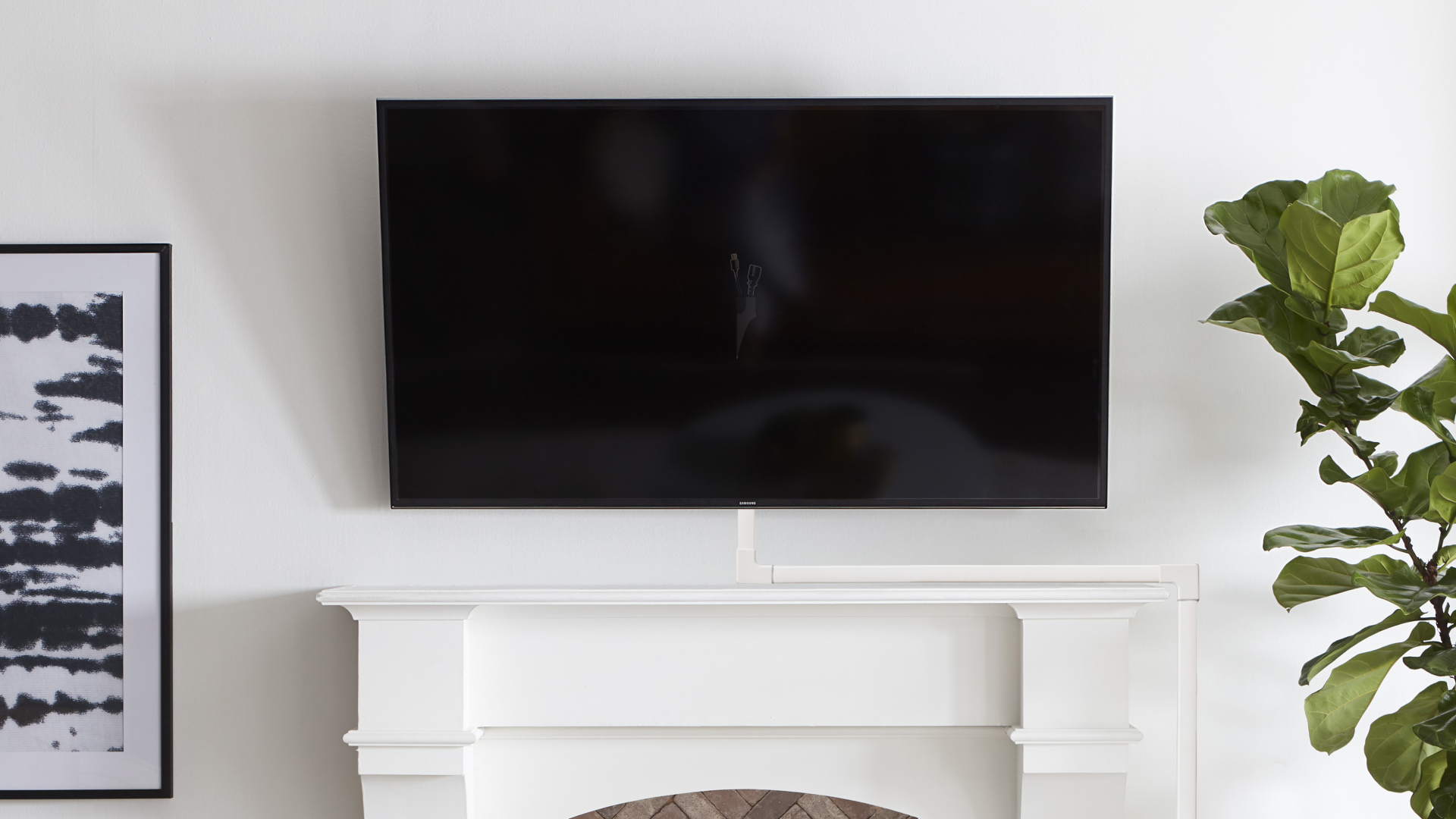
Mounting a television above a fireplace mantel can create an attractive focal point in a living room, family room, or entertainment area. It saves wall space, keeps the screen away from some high-traffic areas, and can give the room a clean, organized appearance. However, a mantel installation requires more planning than mounting a television on an ordinary wall. The main concerns are viewing height, heat exposure, wall construction, mounting hardware, cable routing, and access to the television for future adjustments. A position that looks excellent from across the room may cause neck discomfort during a long movie, while a fireplace that feels cool most of the time may expose the television to excessive heat when used. Before drilling holes or purchasing a TV bracket, evaluate the fireplace, the mantel, the television's dimensions, and the seating arrangement together. Understanding these factors will help you decide whether mounting a TV above the mantel is appropriate for your home and how to approach the installation safely.
1. Is Mounting a TV Above a Fireplace a Good Idea?
A television above a mantel can work well when the fireplace produces limited heat near the screen, the mounting surface is structurally suitable, and the viewing position remains comfortable. It is not automatically the best location for every room.
Benefits of a Mantel TV Installation
One of the biggest advantages is space efficiency. In smaller living rooms, placing the television above the fireplace can free up a wall for furniture, shelving, artwork, or additional storage. A mantel installation can also create a natural visual center. The fireplace and television become part of the same entertainment area, reducing the need for separate furniture arrangements. Other potential benefits include:
A cleaner layout: The television occupies wall space that might otherwise remain unused.
Less furniture clutter: You may not need a separate media console beneath the screen.
A coordinated appearance: Proper alignment can help the television complement the fireplace and surrounding décor.
Flexible room planning: The arrangement may work well in open-concept living rooms where furniture faces the fireplace.
These advantages depend on the room's dimensions and how the television is used. A design that works for occasional viewing may be less suitable for a household that watches television for several hours each evening.
When Another Mounting Location May Be Better
Consider an alternative wall if the fireplace generates substantial heat, the mantel forces the screen too high, or the seating arrangement requires an uncomfortable viewing angle. A television mounted beside the fireplace may provide better ergonomics without sacrificing the room's appearance. A separate media wall can also make cable concealment, equipment access, and future upgrades easier. The goal is not simply to fit the television above the mantel. It is to create a setup that protects the equipment and feels comfortable during everyday use.
2. Measure the Viewing Height Before Choosing the Mount
Viewing height is one of the most overlooked parts of a fireplace TV installation. Because fireplaces are often built higher than standard television locations, the screen can end up above a comfortable viewing position.
How High Should a TV Be Above a Mantel?
Ideally, the television should be positioned so the center of the screen is close to the viewer's seated eye level. The appropriate height depends on the television's size, the height of the furniture, the distance between the seating and fireplace, and the amount of reclining in the seats. A mantel may create a physical limitation because the television must sit above the shelf. Before committing to the location, measure the distance from the floor to the top of the mantel and determine how much additional height the television will require. For example, imagine a living room with a high stone fireplace and a large television. Even if the screen fits neatly above the mantel, viewers sitting upright on a standard sofa may need to tilt their heads upward throughout a movie. That arrangement deserves a second look before installation begins. To learn more about proper positioning, check out this practical guide for comfortable viewing.
Calculate the Screen's Center Point
Use the television's actual height rather than relying only on its advertised diagonal size. A simple way to estimate the center height is: TV center height = bottom-of-screen height + half the TV's vertical height. Compare this measurement with the eye level of someone seated in the room's usual viewing position. The greater the difference, the more carefully you should assess the viewing angle. There is no single mounting height that suits every household. A recliner, a low sofa, a tall fireplace, and a compact television can produce very different results.
Would a Tilting TV Mount Help?
A tilting mount allows the screen to angle downward, which can improve the viewing experience when a television must sit higher than preferred. It may also reduce reflections from overhead lighting, depending on the room. However, tilting does not make every high installation comfortable. A television mounted excessively high can still require viewers to look upward, particularly if the screen is large or the seating is close to the fireplace. A professional assessment should consider the screen's final height, tilt range, bracket clearance, and viewing distance before the mounting hardware is selected.
3. Check Fireplace Heat Before Installing the Television
Heat exposure is one of the most important technical concerns when mounting a TV above a fireplace. Electronic components can be affected by temperatures outside the television manufacturer's permitted operating range, and excessive heat may shorten equipment life or cause performance problems.
How Can Fireplace Heat Affect a TV?
Heat from a gas, wood-burning, or electric fireplace can reach the television through rising warm air, radiant heat, or a combination of both. The amount depends on the fireplace design, ventilation, operating conditions, mantel dimensions, and distance between the heat source and screen. Potential warning signs include a television that becomes unusually warm, repeated thermal shutdowns, or operating temperatures that exceed the manufacturer's specifications. Do not wait for these symptoms before investigating heat exposure. A mantel can redirect some rising heat away from the wall, but its presence does not guarantee that the television will remain within a safe temperature range.
Test the Area Under Normal Fireplace Conditions
Before mounting the television, review the fireplace manufacturer's instructions and the TV manufacturer's operating-temperature requirements. If the fireplace will be used regularly, have the proposed location assessed under representative operating conditions. A few important precautions:
Follow the fireplace manufacturer's clearance requirements.
Check whether the mantel is designed to redirect heat and whether its dimensions meet the fireplace specifications.
Keep the television within the manufacturer's permitted operating conditions.
Do not assume that an electric fireplace produces no heat near the screen.
Stop using the fireplace if the installation appears to expose the television to excessive heat, and seek professional guidance. An infrared thermometer can help identify surface-temperature patterns, but a single surface reading does not establish that the television's internal operating conditions are safe. Temperature measurements should supplement, not replace, manufacturer guidance.
Can a Heat Deflector Make the Installation Safe?
A heat deflector or mantel hood may redirect warm air away from the television. Its effectiveness depends on the fireplace, the product's design, and the installation dimensions. It should not be treated as a universal fix for a television mounted above a fireplace. Verify compatibility with the fireplace manufacturer's requirements and reassess the proposed screen location before proceeding. If adequate heat protection cannot be established, choose another mounting location.
4. Identify the Wall Material and Structural Support
A television mounted above a fireplace must be supported by an appropriate structure. The wall's appearance alone does not tell you where the strongest attachment points are or which fasteners are suitable.
Mounting on Drywall Above a Fireplace
Drywall is a wall finish, not a reliable structural anchor for a heavy television by itself. The mounting bracket should be secured to suitable framing or another engineered support system approved for the installation. If you are working with standard walls, you can read more about mounting on drywall. Before drilling, identify the framing location and check for electrical wiring, plumbing, gas lines, and other concealed services. Fireplace walls can contain components that require particular care during installation. Do not assume that a stud finder has identified every obstruction or that a visible fireplace outline accurately indicates the location of internal framing.
Mounting a TV on Brick or Stone
Brick and stone fireplaces can provide a solid mounting surface when the masonry and attachment method are suitable. However, not every brick, mortar joint, stone veneer, or decorative surround can safely support a television bracket. You can find more details in this guide on mounting on brick or stone. The installer must identify the material, assess its condition, and select anchors compatible with the substrate and the mount's load requirements. Thin stone veneer may have different structural characteristics from solid masonry behind it. Drilling into masonry can also create dust, damage finishes, or encounter hidden services. Specialized tools and appropriate fasteners may be necessary.
Why the Right Hardware Matters
The bracket and fasteners must be compatible with the television's weight, mounting pattern, wall structure, and intended movement. Before installation, confirm:
The television's weight without its stand.
The bracket's supported weight range and VESA mounting pattern.
The wall material and suitable anchoring method.
The number and placement of attachment points required by the mount.
The manufacturer's installation instructions and any applicable building requirements.
Never choose hardware solely because it fits the television's mounting holes. The wall attachment is just as important as the bracket itself.
5. Choose the Right TV Mount for the Mantel
The mounting bracket affects viewing comfort, clearance, appearance, and access to cables. The best choice depends on the final screen height and the physical space above the mantel.
Fixed TV Mount
A fixed mount holds the television close to the wall. It generally offers a clean appearance and can work well when the screen is already positioned at a comfortable height. The main limitation is adjustability. If the television sits high above a mantel, a fixed bracket may leave viewers looking upward without any way to improve the angle. It can also make access to rear-facing connections more difficult after installation.
Tilting TV Mount
A tilting mount lets you angle the screen downward. This can be useful for fireplace installations where the mantel limits the television's vertical position. Check the bracket's available tilt range and whether the television can move without striking the mantel. The screen should have enough clearance to tilt as intended, and the mount must remain compatible with the television's size and weight.
Pull-Down TV Mount
A pull-down fireplace TV mount can lower the television toward a more comfortable viewing height when needed. Some designs also allow the screen to tilt, offering greater flexibility than a conventional bracket. These mounts can be useful in rooms where the fireplace is the only practical mounting location. However, they need adequate wall clearance, a suitable attachment structure, and enough space for the television to move through its full range. A pull-down bracket may also cost more than a basic mount and can require more involved installation. Check the manufacturer's specifications before selecting one.
6. Plan Cable Management and Power Access
A carefully mounted television can still look unfinished if power cords, HDMI cables, and connected-device wires hang visibly beneath the screen. Cable planning should happen before the bracket is attached to the wall.
How Do You Hide TV Wires Above a Fireplace?
The appropriate method depends on the wall construction, the location of the electrical supply, and the number of devices connected to the television. Possible options include a professionally installed in-wall cable pathway using suitable cables, a listed cable-concealment system, or a decorative surface raceway. Each option has different installation requirements. You can compare options by reading about in-wall vs external cable management. Do not run an ordinary television power cord inside a wall unless the cord and installation method are specifically approved for that use. In-wall power routing may require a code-compliant recessed outlet or an approved power-relocation kit. Never drill blindly into a fireplace wall to create a cable passage. Hidden electrical wiring, gas lines, and other utilities must be considered before any opening is made.
Plan for Streaming Devices and Soundbars
Think about the complete entertainment setup, not just the television. A streaming device, game console, soundbar, or network connection may require extra cable length, power access, and a suitable mounting location. If you intend to mount a soundbar beneath the television, verify that the arrangement leaves enough space for the soundbar and does not interfere with the mantel or the TV mount's movement. You can review tips on where a soundbar should be installed to ensure proper clearance. Measure cable routes before purchasing accessories. This can prevent a situation where the television is mounted successfully but a connection cannot reach its intended destination.
7. Consider Viewing Distance, Screen Size, and Room Lighting
A television that looks proportionate on a showroom wall may feel different above a fireplace. The screen size, room dimensions, and seating distance all influence the final result.
Is a Large TV Suitable Above a Mantel?
A larger television can provide an immersive viewing experience, but it also occupies more vertical space. This may push the screen higher when the available wall area is limited. Measure the television's actual width and height, including its mounting position and any necessary clearance. Compare those dimensions with the mantel width, nearby windows, built-in shelves, and decorative features. The television should fit the wall without blocking vents, interfering with the fireplace, or creating an awkward arrangement around the mantel.
Reduce Glare and Reflections
Fireplace installations can place a television near windows, recessed lighting, chandeliers, or bright lamps. These light sources may reflect off the screen, especially during daytime viewing. Before choosing the final position, observe the room at different times of day. Check how natural light enters the space and whether overhead fixtures reflect in the proposed screen location. Adjusting the seating arrangement, window coverings, or lighting may help. A tilting mount can sometimes reduce reflections, but the result depends on the screen angle and light source.
8. Prepare for Installation Before Drilling
A short planning process can prevent avoidable mistakes and help the installation proceed more smoothly.
Step 1: Confirm the Fireplace and TV Specifications
Read the television's installation and operating-temperature guidance, along with the fireplace's clearance requirements. Verify that the proposed position is permitted by both manufacturers. If either manufacturer prohibits the arrangement, do not proceed based on assumptions about the mantel's protective effect.
Step 2: Measure the Entire Installation Area
Measure the mantel height and depth, available wall width, television dimensions, and the distance from the screen to the seating area. Mark the proposed screen position temporarily with painter's tape. Sit in the usual viewing location and evaluate the screen's center height before committing to the bracket location.
Step 3: Identify the Wall Structure and Hidden Services
Determine whether the mounting surface consists of drywall over framing, solid masonry, veneer, or another construction type. Check for concealed utilities and choose a mounting method suited to the actual structure. If the wall's construction is uncertain, have it assessed before drilling.
Step 4: Select the Bracket and Plan the Cables
Choose a compatible fixed, tilting, or pull-down mount. Confirm that the hardware supports the television and can accommodate the required clearance above the mantel. Plan the power supply, HDMI connections, streaming equipment, and soundbar before the screen is attached.
Step 5: Verify Alignment and Stability
After mounting, check that the bracket is firmly attached, the screen is level, and all moving components operate according to the manufacturer's instructions. Confirm that cables are not pinched, ventilation openings remain unobstructed, and the television has sufficient clearance from the fireplace and mantel.
9. Common Mistakes to Avoid When Mounting a TV on a Mantel
Even a visually attractive installation can create problems if essential technical details are overlooked.
Assuming the Mantel Blocks All Heat: A mantel may redirect warm air, but it cannot guarantee safe temperatures at the television. Follow the fireplace and television manufacturers' requirements and assess the proposed position before mounting.
Prioritizing Appearance Over Viewing Comfort: Placing the screen as high as possible can create an impressive wall arrangement while making everyday viewing uncomfortable. Test the viewing angle from the actual seating position before selecting the final height.
Using the Wrong Anchors: Fasteners suitable for drywall, wood framing, and solid masonry are not interchangeable in every situation. Select hardware based on the actual substrate and installation requirements.
Leaving Cable Planning Until the End: A poorly planned cable route can leave visible wires, inaccessible outlets, or connections that cannot reach the equipment. Decide how every cable will be routed before the television is installed.
Forgetting Future Maintenance: Televisions may need to be disconnected, adjusted, or removed for service. A mount that makes every connection difficult to reach can complicate routine maintenance.
10. When Should You Hire a Professional TV Installer?
Professional installation is worth considering when the television is large, the fireplace wall is made of brick or stone, the mounting position is high, or the cable route requires work inside the wall. To understand what is typically covered, read about what is included in professional TV wall mounting. An experienced installer can evaluate the mounting surface, identify appropriate hardware, plan cable concealment, and help position the screen in relation to the room's seating arrangement. The installer can also check whether the selected bracket provides sufficient clearance and movement. Fireplace-related work may require coordination with an electrician, fireplace specialist, or other qualified trade. Electrical changes, gas-line work, and modifications to the fireplace should be handled by appropriately qualified professionals. For homeowners in Dallas–Fort Worth, TV Mounting Dallas provides television mounting and home entertainment installation services, including cable management, soundbar installation, and Smart TV setup. With more than 20 years of AV experience and same-day or next-day appointments available, the company can help homeowners assess the practical requirements of their entertainment setup. You can also explore their services or learn more about us to see how they can assist with your project. Before scheduling any installation, provide the television model, fireplace type, wall material if known, and a photograph of the proposed mounting area. These details help establish what needs to be assessed before work begins.
Conclusion
Mounting a television above a mantel can create an attractive entertainment area, but the installation needs to work safely and comfortably as well as look good. The most important considerations are fireplace heat, viewing height, wall structure, compatible mounting hardware, cable management, and room layout. Start by checking the fireplace and television manufacturers' requirements. Measure the proposed screen position, assess the wall construction, and select a bracket that provides the necessary clearance and viewing angle. If the location exposes the television to excessive heat or forces an uncomfortable viewing position, consider mounting it elsewhere. A successful mantel TV installation comes from careful planning rather than simply finding a place to attach the bracket. Addressing the technical details before drilling can help protect your equipment, improve everyday viewing, and create a cleaner finished appearance.
Frequently Asked Questions
1. Is it safe to mount a TV above a fireplace mantel?
It can be safe if the fireplace and television manufacturers permit the arrangement, the screen remains within its specified operating-temperature limits, and the wall and mounting hardware provide adequate support. Heat and clearance must be evaluated before installation.
2. How high should a TV be mounted above a mantel?
The screen should ideally be positioned near seated eye level, but the fireplace and mantel may limit placement. Measure the screen's center height and evaluate the viewing angle from the main seating area before choosing the final mounting position.
3. Can heat from a fireplace damage a television?
Yes. Excessive heat can cause operating problems and may damage electronic components over time. Follow the manufacturer's temperature and clearance requirements, and do not assume that a mantel automatically protects the television from rising warm air.
4. What is the best TV mount for above a fireplace?
A tilting mount can improve the viewing angle when the television must sit high. A pull-down mount can lower the screen for viewing, while a fixed mount may suit a lower, comfortable position. The right choice depends on clearance, wall structure, and television compatibility.
5. Can you mount a TV on a brick or stone fireplace?
Yes, if the masonry and mounting method are suitable for the television's weight. The installer must distinguish solid masonry from veneer or other decorative materials and select compatible anchors. Hidden utilities and the condition of the mounting surface should also be assessed.
6. How can you hide TV wires above a fireplace?
Options include a suitable in-wall cable pathway, a listed cable-concealment system, or a surface raceway. In-wall power routing must use an approved method that complies with applicable electrical requirements. Never conceal an ordinary TV power cord inside a wall unless specifically permitted.
7. Does a tilting mount make a high-mounted TV more comfortable to watch?
A tilting mount can improve the viewing angle by directing the screen downward. However, it cannot fully compensate for every excessively high installation. Evaluate the screen height, seating distance, and viewing posture before deciding whether a tilt mount is sufficient.
8. Can you mount a soundbar beneath a TV above a mantel?
Yes, provided there is enough room for the soundbar, television, and mounting hardware. Plan the soundbar's position, power access, cable routing, and any movement required by the TV bracket before installation.
9. Should I mount my TV above the mantel or beside the fireplace?
Mounting above the mantel can save wall space and create a central focal point, but it may introduce heat exposure or viewing-height concerns. A side-wall installation can offer better ergonomics and simpler access. Compare both locations before choosing.
10. Should I hire a professional to mount a TV above a fireplace?
Professional installation is especially helpful for heavy televisions, high mounting positions, masonry walls, and concealed cable routing. An experienced installer can assess the mounting surface, select suitable hardware, and help plan the installation. Electrical or fireplace modifications may require additional qualified trades.
