
Where Should a Soundbar Be Installed With a Wall-Mounted TV?
Introduction
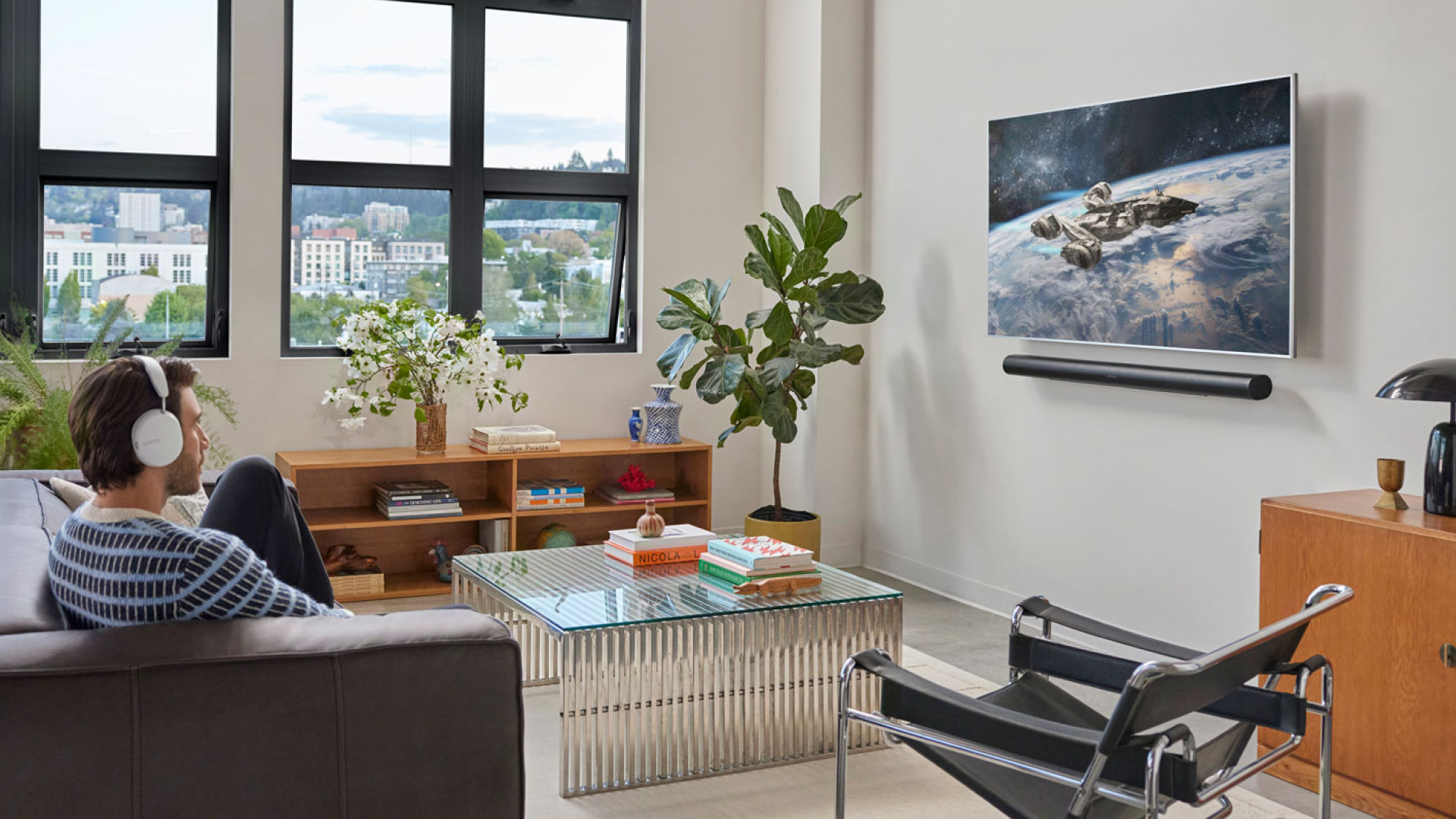
A wall-mounted TV can give a room a clean, modern appearance, but the installation is only half finished if the soundbar is sitting awkwardly on a cabinet or positioned too far from the screen. The placement of your soundbar affects audio clarity, viewing comfort, cable management, and the overall appearance of your entertainment setup.
For most wall-mounted TVs, the soundbar should be installed directly below the television, centered with the screen, with enough space between the two components to prevent interference with the TV picture or remote sensor. Depending on the soundbar design, it may also be mounted above the TV, although that is usually less desirable for creating natural dialogue and sound positioning.
A proper installation also requires attention to wall construction, mounting hardware, cable routing, HDMI or optical connections, power access, and the soundbar's speaker configuration. A few inches can make a noticeable difference in how cleanly the system looks and how naturally the audio reaches the listener.
This guide explains where a soundbar should go with a wall-mounted TV, how much space to leave, when above-TV mounting makes sense, and which installation mistakes can affect your home theater experience.
What Is the Best Position for a Soundbar With a Wall-Mounted TV?
The best general position for a soundbar is directly below the wall-mounted TV, centered horizontally with the screen.
This arrangement keeps the sound source close to the image on the screen. When someone is speaking on television, the dialogue appears to come from approximately the same area as the person's face rather than sounding as if it is coming from the floor or from one side of the room.
A soundbar should also be positioned so its speakers are not blocked by furniture, the TV itself, or decorative objects. If the soundbar has upward-firing speakers for Dolby Atmos or another surround-sound format, those speakers need a clear path toward the ceiling.
How Far Below the TV Should a Soundbar Be?
There is no single universal measurement because televisions, soundbars, wall mounts, and room layouts vary. In general, leave enough vertical space for the soundbar to operate without touching the TV while keeping the two components visually connected.
A common approach is to leave a small, intentional gap between the bottom of the TV and the top of the soundbar. The exact distance should follow the soundbar manufacturer's mounting instructions and account for the TV's dimensions.
The goal is simple: close enough to look like one system, but not so close that the soundbar blocks the television or creates installation problems.
Should the Soundbar Be Centered With the TV?
Yes. A soundbar should normally be centered with the television.
Centering helps maintain a balanced appearance and places the primary audio source in the same horizontal position as the screen. An off-center soundbar can make the entire entertainment wall look unfinished, especially when the TV and soundbar are mounted rather than sitting on furniture.
Before drilling, measure the center point of the TV and transfer that measurement to the soundbar mounting position.
Should a Soundbar Be Mounted Above or Below the TV?
For most installations, below the TV is the preferred position.
Mounting the soundbar below the television generally creates a more natural relationship between the picture and the audio. It also works well with most living-room layouts because the listener is usually positioned below or approximately level with the TV.
Mounting a soundbar above the TV can work in certain situations, but it requires more careful planning.
Why Below the TV Usually Works Better
When the soundbar is directly below the screen, dialogue and other front-channel sounds appear closer to the action displayed on the television.
This is particularly useful for movies, television shows, sports, and news programming where clear dialogue matters. A soundbar positioned too low can sound disconnected from the picture, while one placed too high may make voices appear to come from above the screen.
When Above-TV Soundbar Installation May Make Sense
There are situations where installing a soundbar above a TV is practical. For example, a fireplace, built-in cabinet, unusual wall construction, or existing furniture may prevent a clean installation below the television.
If the soundbar must be mounted above the TV, it should still be centered with the screen and installed according to the manufacturer's orientation requirements.
Some soundbars are designed to detect their orientation or provide settings for different mounting positions. Always check the manufacturer's instructions before mounting a soundbar upside down or changing its orientation.
How High Should a Wall-Mounted Soundbar Be?
A soundbar should generally be installed at a height that keeps it close to the TV while placing its speakers in a clear position for the listener. Learning how high a TV should be mounted is often the first step in determining correct soundbar height.
The correct height depends on several factors:
TV height
Soundbar dimensions
Seating position
Wall construction
Soundbar speaker configuration
Whether the soundbar has upward-firing speakers
Fireplace or furniture placement
Manufacturer mounting requirements
The soundbar does not necessarily need to be at ear level. In many wall-mounted TV installations, it will naturally sit above the listener's seated ear height because it is positioned directly below the television.
What matters more is avoiding obstruction and maintaining a sensible relationship between the screen and soundbar.
What About Dolby Atmos Soundbars?
Dolby Atmos soundbars require additional consideration because some models use upward-firing speakers to reflect sound from the ceiling.
If those speakers are covered by a shelf, pushed tightly against the ceiling, or blocked by another object, the system may not perform as intended.
For an Atmos soundbar, check the manufacturer's recommended clearance and make sure the ceiling area above the speakers is reasonably unobstructed.
Can a Soundbar Be Mounted Directly to the TV?
Some soundbars can be attached to a TV mounting system using compatible brackets or specialized mounting hardware.
This approach can create a very clean appearance because the soundbar moves with the television when the TV is tilted or repositioned. It can also be useful for certain articulating TV mounts, so exploring what type of TV wall mount is best can clarify your options.
However, compatibility matters.
The TV's mounting pattern, bracket design, soundbar weight, and mounting hardware all need to be appropriate for the installation. Never assume that a universal bracket will automatically work with every television and soundbar combination.
Wall-Mounted Soundbar vs. TV-Mounted Soundbar
A wall-mounted soundbar and a TV-mounted soundbar have different advantages.
A wall-mounted soundbar stays fixed to the wall and can provide a clean appearance when the television is also securely mounted.
A TV-mounted soundbar moves with the television. This can be particularly useful with a full-motion TV mount because the soundbar remains aligned with the screen when the TV is pulled away from the wall or turned toward another seating area. Comparing fixed vs. tilting vs. full-motion TV mounts can help you decide which approach works best.
The better option depends on the TV mount, wall construction, room layout, and equipment compatibility.
How Much Space Should Be Between a TV and Soundbar?
The ideal gap depends on the specific television and soundbar combination rather than a universal number. Knowing what to check before mounting a TV ensures proper clearance for all accessories.
The soundbar should not physically touch the television. It should also not cover the lower portion of the screen, block the TV's sensors, or interfere with ventilation or other components.
Before installation, measure:
The height of the television.
The height and depth of the soundbar.
The location of the TV mounting bracket.
The soundbar's mounting points.
The desired viewing height.
Any manufacturer-required clearance.
A mock layout using painter's tape can help you visualize the final position before drilling holes.
This is a simple step, but it can prevent an expensive mistake.
How Do You Hide Soundbar Cables With a Wall-Mounted TV?
Cable management is one of the biggest differences between a professional-looking TV installation and a setup that appears unfinished. Knowing the best way to hide cables ensures a seamless result.
A wall-mounted TV and soundbar may require HDMI, optical, power, Ethernet, or other connections depending on the equipment.
The cleanest approach is to plan cable routing before mounting the equipment.
Use the Right Audio Connection
For many modern soundbars, HDMI ARC or HDMI eARC is the preferred connection because it can carry audio between a compatible television and soundbar while allowing certain control functions through the TV remote.
Optical audio can also be useful for compatible equipment, although it may not support every audio format or feature available through HDMI eARC.
The correct connection depends on the TV and soundbar models.
Plan Power Before Installation
A soundbar needs power, and the outlet location can influence where it should be installed.
Avoid leaving a long power cord hanging beneath the soundbar. Instead, plan the outlet and cable path before installation so the finished setup remains clean.
Electrical work inside a wall should be handled according to applicable electrical requirements and, when necessary, by a qualified professional.
Keep Signal Cables Organized
HDMI and other signal cables should be routed neatly and kept long enough to accommodate the equipment without unnecessary slack.
Do not pull cables so tightly that they place stress on connectors. Leave enough flexibility for servicing or equipment replacement later. Understanding in-wall vs. external cable management helps you choose the right routing method.
What Are Common Soundbar Installation Mistakes?
A soundbar can be expensive equipment, but poor placement does not always require an expensive mistake. Many problems come from rushing the installation.
Installing the Soundbar Too Far From the TV
A soundbar positioned several feet below the television can create a noticeable separation between the image and the sound.
The closer relationship between screen and soundbar is one of the main reasons wall-mounted soundbars are generally installed directly beneath the TV.
Blocking the TV Screen or Sensors
A soundbar that is too tall or installed too close to the bottom of the television can interfere with the picture or remote-control sensor.
Measure the equipment before drilling rather than estimating its position.
Ignoring the Wall Type
Drywall, brick, concrete, and other wall materials require different mounting approaches. Understanding whether a TV can be mounted on drywall or if a TV can be mounted on brick, stone, or tile is critical for structural safety.
A soundbar is lighter than many televisions, but the mounting hardware still needs to be appropriate for the wall and the equipment. Mounting into a weak surface without suitable support can create a safety problem, which is why stud finding matters during setup.
Forgetting About Upward-Firing Speakers
An Atmos soundbar should not be installed in a way that blocks its upward-firing drivers.
Check the manufacturer's clearance recommendations before finalizing the location.
Leaving Cables Hanging
Even a perfectly aligned TV and soundbar can look unfinished when cables hang visibly beneath the equipment. Learning how professional cable management improves setup can help prevent unsightly wires.
Cable concealment should be considered during the planning stage rather than treated as an afterthought.
How to Install a Soundbar With a Wall-Mounted TV
A basic installation involves more than simply attaching the soundbar to the wall.
Step 1: Determine the TV Centerline
Identify the horizontal center of the television and use it as the reference point for the soundbar.
Step 2: Measure the Soundbar
Measure its width, height, depth, mounting points, and required clearances.
Step 3: Check the Wall
Identify the wall material and determine the appropriate mounting hardware. Locate studs when applicable.
Step 4: Confirm the Height
Hold or temporarily mark the soundbar position before drilling. Step back and evaluate the relationship between the television, soundbar, seating position, and other furniture.
Step 5: Plan the Cables
Determine where HDMI, optical, Ethernet, and power cables need to travel.
Step 6: Install the Mount
Secure the soundbar bracket using hardware appropriate for the wall and the manufacturer's instructions.
Step 7: Connect and Test
Connect the soundbar, select the appropriate audio output on the TV, and test dialogue, music, and other content. An installer can connect and test entertainment devices to ensure peak performance.
Step 8: Check the Final Appearance
Confirm that the soundbar is level, centered, securely mounted, and free from cable clutter.
Should the Soundbar Be Below the TV if the TV Is Mounted Over a Fireplace?
Not always.
A fireplace installation creates additional challenges because the TV and soundbar may already be positioned higher than ideal for comfortable viewing. Heat exposure is another consideration.
A soundbar should not simply be installed wherever there is available wall space. The TV's mounting height, fireplace design, heat management, soundbar clearance, and manufacturer's requirements should all be considered.
If a fireplace is involved, measure the complete installation rather than treating the TV and soundbar as separate projects.
What Is the Best Setup for a Clean Home Theater?
A good wall-mounted TV and soundbar installation should look intentional from every angle.
The TV and soundbar should be aligned, cables should be organized, the equipment should be securely mounted, and the audio connections should be tested before the installation is considered complete. Reviewing what is included in professional TV wall mounting can give you a benchmark for quality.
For a clean entertainment wall, consider:
Centering the TV and soundbar together
Choosing an appropriate soundbar height
Keeping the soundbar clear of the TV screen
Following manufacturer clearance requirements
Using suitable wall anchors or mounting hardware
Planning cable routes before drilling
Testing HDMI ARC or eARC settings
Keeping power and signal cables organized
Checking the soundbar's speaker orientation
Testing the final audio and remote-control operation
Professional TV wall mounting in Dallas can be particularly useful when the installation involves difficult wall materials, concealed wiring, a full-motion TV mount, a fireplace, or multiple entertainment components.
Why Soundbar Placement Matters More Than Appearance
A soundbar is part of the audio system, not just an accessory mounted underneath a television.
Its position influences how sound reaches the listener and how closely the audio appears to correspond with what is happening on screen. A poorly positioned soundbar can still produce sound, but the experience may feel less natural.
Good installation combines three things: safe mounting, sensible positioning, and clean integration with the rest of the entertainment system.
That is why soundbar installation should be planned alongside TV mounting rather than after the television is already on the wall.
When Should You Consider Professional TV and Soundbar Installation?
DIY installation can be reasonable for straightforward setups when the wall, equipment, and mounting hardware are well understood.
Professional installation becomes more useful when the project involves:
Large or heavy televisions, especially when checking if a large TV can be safely mounted on different wall types
Brick or concrete walls
Fireplace installations
Full-motion TV mounts
Concealed cable routing
Multiple audio or video devices
Commercial displays
Unusual wall layouts
An experienced AV installer can evaluate the complete setup before drilling, which helps reduce alignment problems and unnecessary holes in the wall. Understanding the difference between TV mounting and setup ensures you choose the exact service you need.
For homeowners in the Dallas–Fort Worth area, professional services can also combine television installation with TV setup and installation in Dallas, including a professional smart TV setup, cable management, TV removal, network wiring, and other home entertainment work. Visit our home page or read about us to explore all available solutions. If you have questions, check our FAQ page or browse our main blog page.
Conclusion
For most wall-mounted televisions, the best place for a soundbar is directly below the TV, centered with the screen, and positioned with enough clearance for both the television and soundbar to operate properly.
The exact height and spacing depend on the equipment, wall, room layout, and soundbar design. Models with upward-firing speakers require particular attention to clearance, while fireplace installations and full-motion TV mounts may require a different approach.
Good soundbar installation is about more than drilling a bracket into the wall. The finished setup should provide a natural relationship between the picture and sound, secure mounting, accessible connections, and clean cable management.
If your Dallas–Fort Worth home entertainment setup includes TV mounting, soundbar installation, Smart TV configuration, cable concealment, or network wiring, planning all of the components together can produce a much cleaner result than installing each piece separately.
Frequently Asked Questions
1. Should a soundbar go above or below a wall-mounted TV?
A soundbar should usually be installed below the wall-mounted TV. This keeps the sound source close to the screen and generally creates a more natural connection between dialogue and the people or action shown on television.
2. How far should a soundbar be from a wall-mounted TV?
The exact distance depends on the television and soundbar. Leave enough clearance to prevent contact or obstruction while keeping the soundbar visually and acoustically close to the screen. Always follow the manufacturer's mounting instructions.
3. Can a soundbar be mounted directly to the wall?
Yes. Many soundbars can be wall-mounted using a compatible bracket or mounting kit. The hardware must be suitable for the soundbar's weight and the wall material, and the installation should follow the manufacturer's instructions.
4. Can a soundbar be mounted above a TV?
A soundbar can sometimes be mounted above a TV when the room layout requires it. However, below-TV placement is generally preferred. If mounting above the screen, make sure the soundbar's orientation and clearance requirements are properly addressed.
5. Do soundbars need to be centered with the TV?
Yes. Centering the soundbar with the television is generally recommended for both appearance and audio positioning. It helps keep the primary sound source aligned with the center of the screen.
6. Can a soundbar be installed with a TV mounted over a fireplace?
Yes, but fireplace installations require additional planning. TV height, heat exposure, soundbar clearance, wall construction, and viewing comfort should all be evaluated before mounting either component.
7. Can a soundbar be mounted to the TV instead of the wall?
Some soundbars can be attached to compatible TV mounting systems using specialized brackets. This can be useful with full-motion TV mounts because the soundbar moves with the television, but equipment compatibility must be confirmed first.
8. How do you hide soundbar wires with a wall-mounted TV?
Soundbar wires can be managed through carefully planned cable routing, cable channels, or appropriate in-wall solutions. The best approach depends on the wall construction and local electrical requirements. Cable planning should happen before mounting.
9. Do Dolby Atmos soundbars need special placement?
Yes. Many Dolby Atmos soundbars use upward-firing speakers that need unobstructed space above them. Shelves, cabinets, ceilings, or other objects that interfere with those speakers can affect the intended audio performance.
10. Can TV mounting and soundbar installation be done at the same time?
Yes. Installing the TV and soundbar together can make it easier to align both components, plan cable routes, select appropriate mounting hardware, and create a cleaner finished entertainment setup.